Climathon Baltimore – Circular Solutions for All
DATE: June 25 and 26, 2026
PARTICIPANTS: 40 environmental policy practitioners from NGOs, businesses, governments, universities, research institutes and students from the United States and Germany
GOAL: Develop solutions for a circular economy
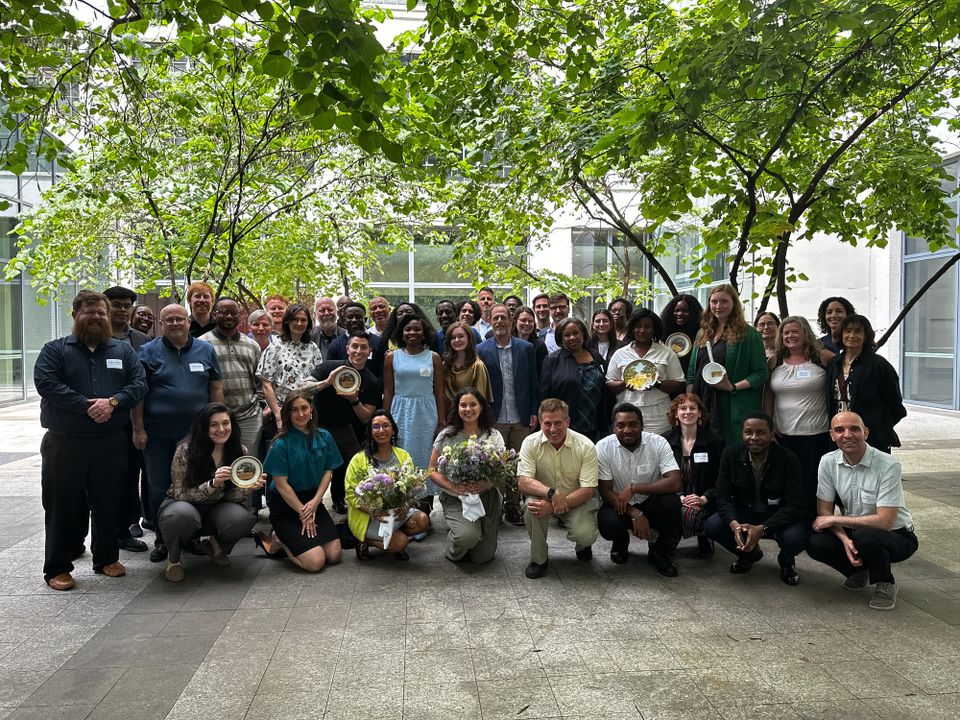
In a world of complex interconnected problems, solutions often require the knowledge and expertise of people from diverse backgrounds and trades. For the Pocacito Network, this is both our challenge and our strength. Earlier this summer, Climathon Baltimore brought together people across disciplines from the United States and Germany, creating an ad-hoc think tank or ideation hub.
Listen to our podcast:
Participants from Germany included:
- Nora Sophie Griefahn is co-founder and executive director of Cradle to Cradle NGO. For more than ten years, the environmental scientist has been a sought-after expert on C2C, the sustainable use of finite resources and the need for materially healthy and recyclable products.
- Tim Janssen is co-founder and executive director of Cradle to Cradle NGO. With C2C NGO, he has been driving the anchoring of the Cradle to Cradle school of thought and design concept in business and politics since 2012 and implements C2C lighthouse projects such as the C2C LAB in Berlin.
- Tom Pettau is the project manager at KlimaForum Gelsenkirchen. He focuses on circular economy frameworks and networks, connecting climate, circularity and business development. Gelsenkirchen is a city in the Ruhr Valley.
- Charlotte Hoehne is the project manager at Bottrop.gemeinsam.zirkulär a platform to support the city of Bottrop, also in the Ruhr Valley, on its path to becoming a circular city.
On the US-side, participants came not only from Maryland locally, but also from California, the District of Columbia, Florida, Georgia, Massachusetts, New York, Texas, and from Virginia.
Participants developed solutions in small teams of four to six people, guided by a facilitator. The focus was on ideas that combine circular economy approaches with greenhouse gas emissions reductions while creating new opportunities for business development, job creation and urban innovation:
Team Built Environment
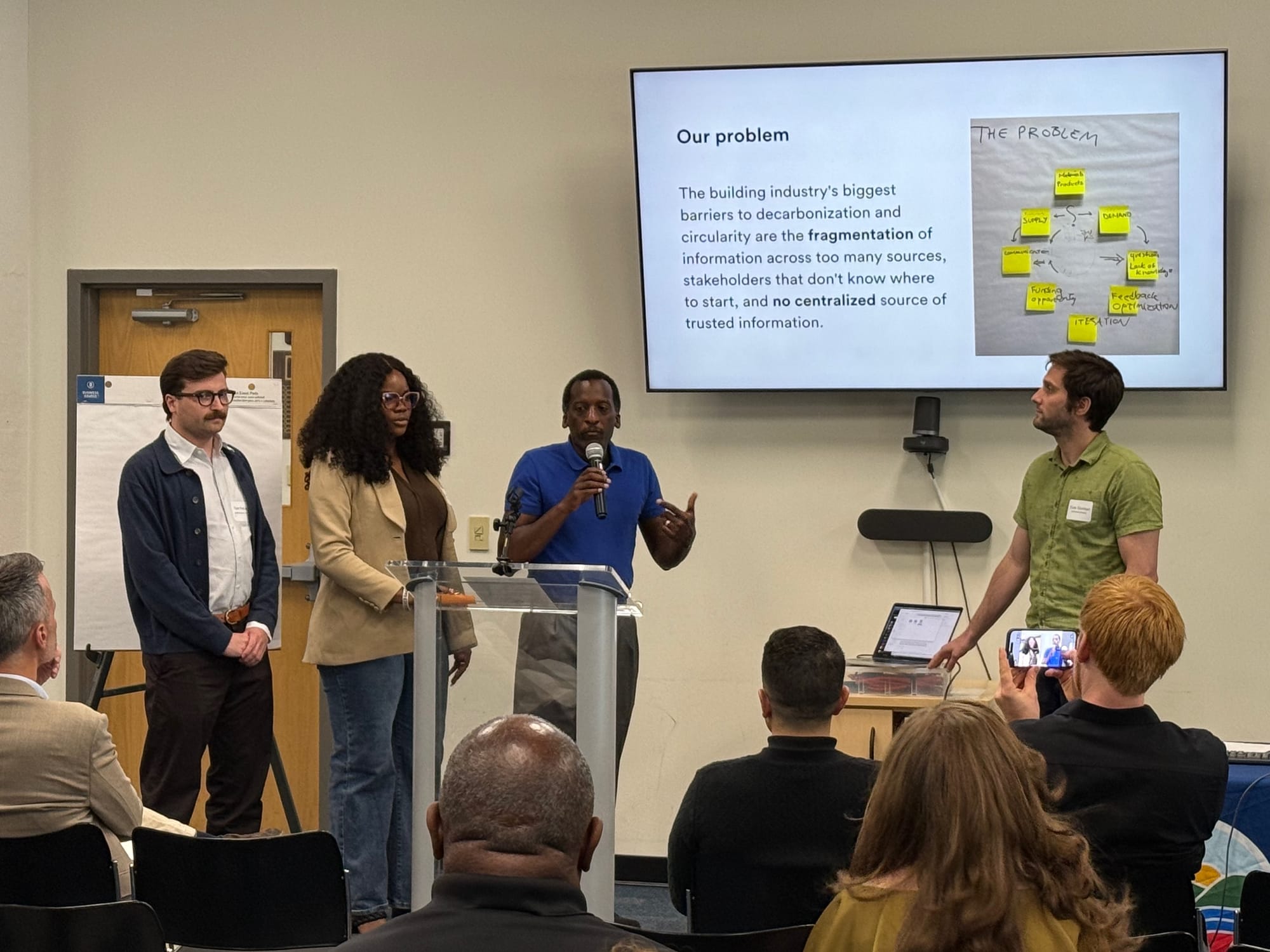
The team identified fragmentation of information as a key barrier to decarbonization and circular materials use. Their solution is a closed-loop LLM web platform that connects homeowners, contractors and designers to curated sustainability resources - filtered by location, project type and priorities - so that they can make informed circular-building decisions. A pilot app was developed during the Climathon and presented to the plenary. Ranking #1 overall.
Team Water
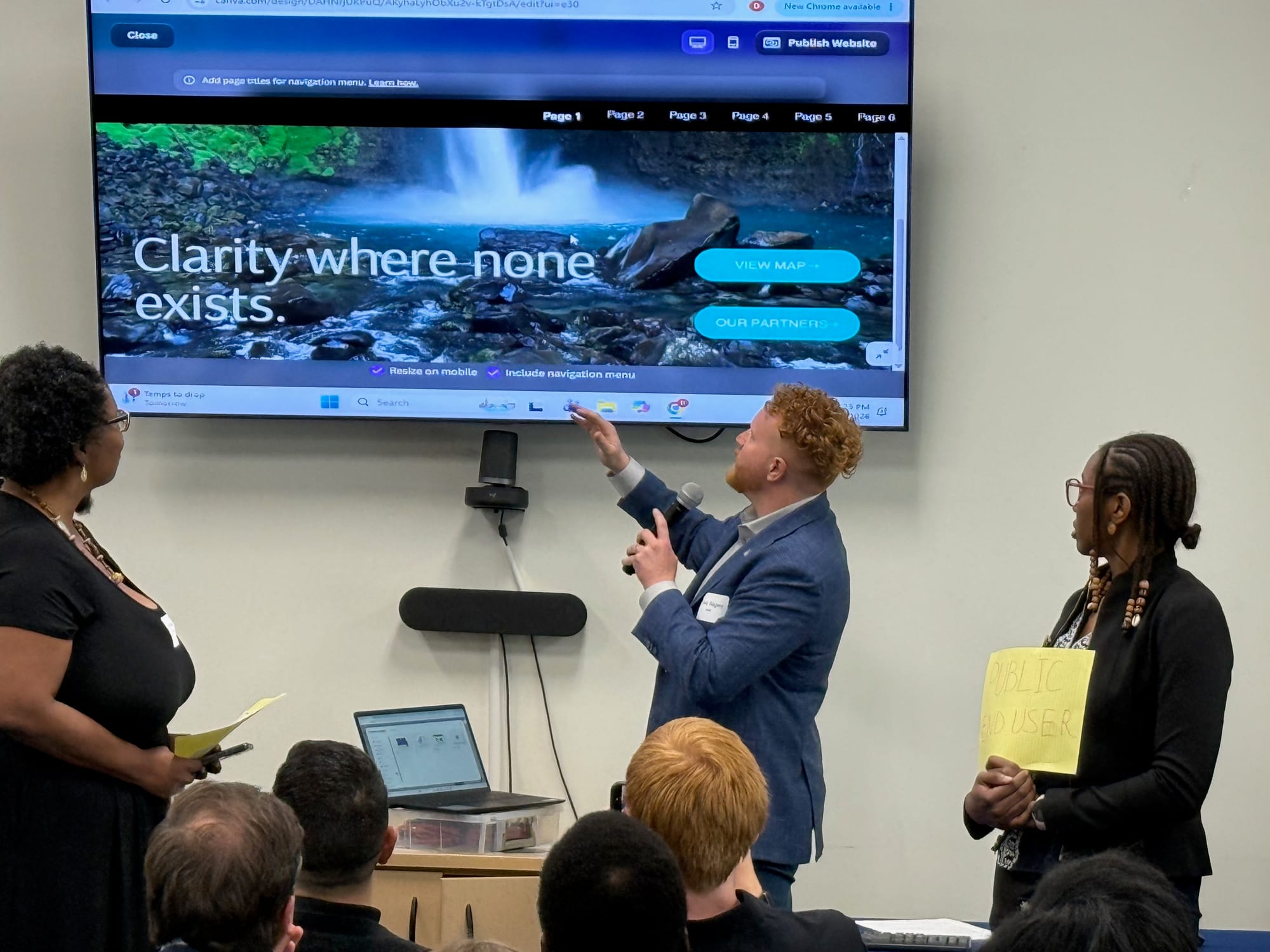
The Water team focused on data and transparency, having identified these as fundamental challenges on the road to resource efficient water use. Their solution centered on a website which bring together data and information from diverse sources and entities, "providing clarity where none exists", mapping resources, their use and flows all on one platform. Ranking #2 overall. The Water team won the Catalyst Award for the proposal most suited to propel change based on where we are at today.
Team Food & Biomass
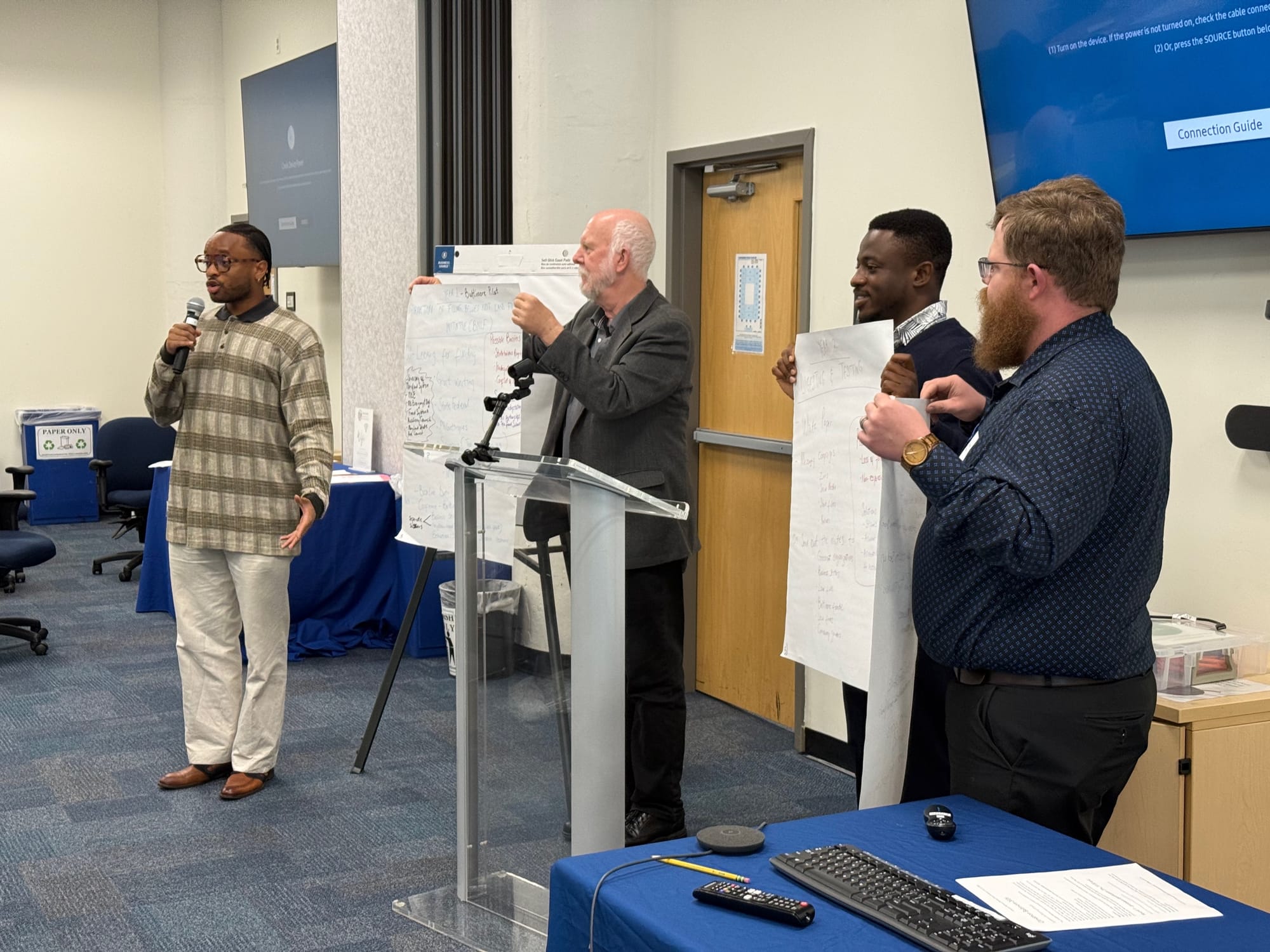
The team working on Food & Biomass focused on Filling Bellies Not Landfills. Their approach emphasizes information and participation by combining photovoices (collecting photographs and accompanying stories in the community) with other community-based participatory research approaches. Libraries and other public institutions are looped-in to create a campaign that carries a wide range of stakeholders towards change, using zines, social media, short films and podcasts. Train the trainer tracks and the efficient use of existing resources are meant to scale the program. A pilot is meant to be rolled out in Baltimore with the aim of then progressing to the state of Maryland. Ranking #3 overall.
Team Electronics
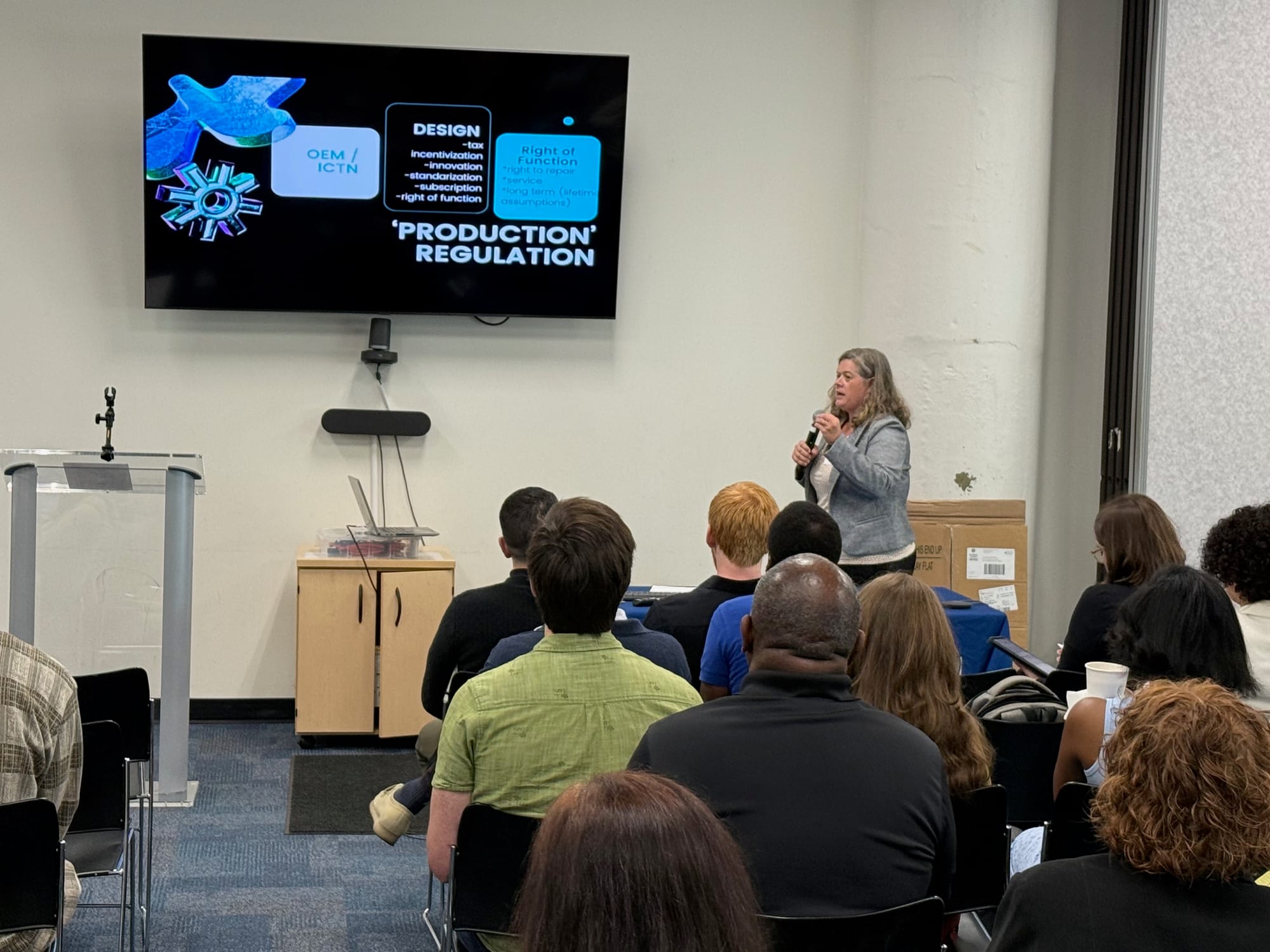
The team working on electronics addressed a range of issues linked to right-to-repair in the context of electronics design both of hardware and software. The proposed solutions under the header Policy Production Public Protocol (P4) including tax incentives as well as regulation of production such as standardization to ensure not only a right-to-repair but also a right-of-function, i.e. the right to maintain electronics in use as long as the user wants to, covering all aspects which could be translated as a general "unlock" of everything. Team Electronics won the Disruptor Award.
Team Textiles & Plastics
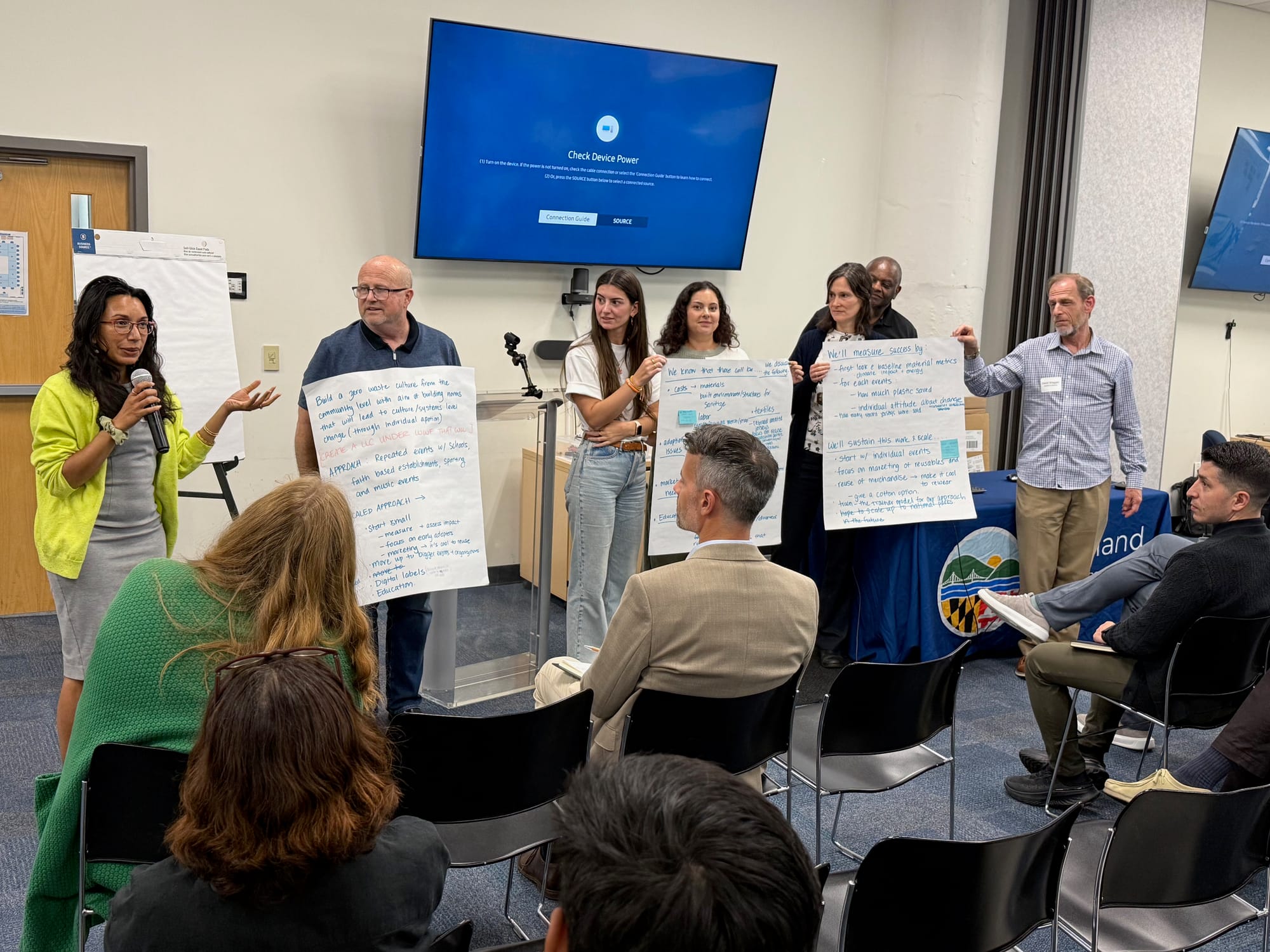
The Textiles & Plastics aimed at created a community-wide culture of zero waste. By influencing norms through experience and role models, the team wants to achieve systems change. The team addressed waste at public events, specifically single-use plastics and also textiles such as team jerseys etc. They proposed the creation of a national company - to be housed with a large nonprofit - to offer large event organizers affordable rental equipment at scale to replace and displace single-use plastics from cups to plates and cutlery. Furthermore, cotton-options should be available for merchandise and fan souvenirs, instead of plastic-based textiles. In addition, merchandise should be re-used. The plan is to start with smaller events, focusing on early adopters and measuring the impact in terms of materials saved and greenhouse gas emissions avoided.
Climathon Continues
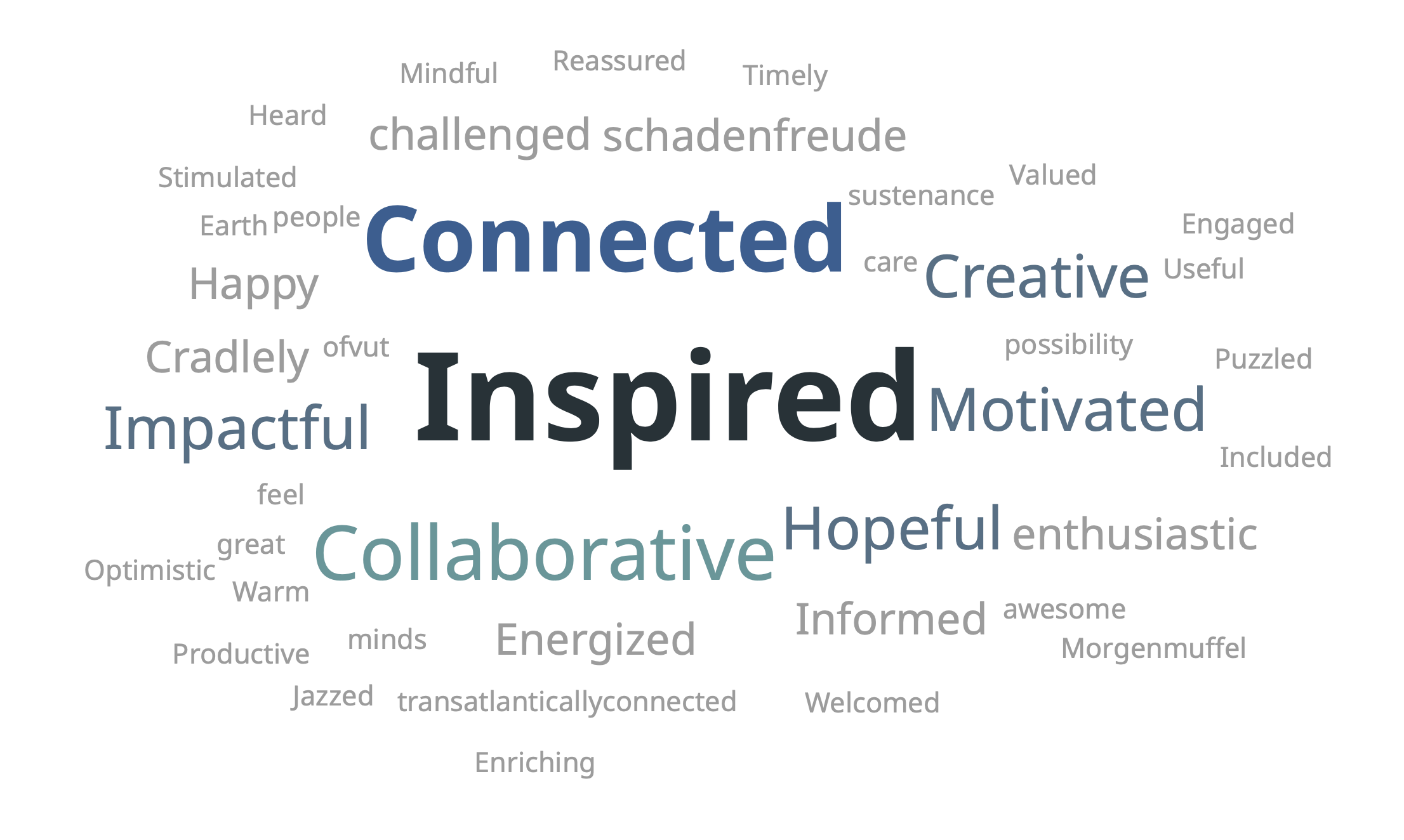
Many thanks to all who joined these two days of developing ideas and solutions for a circular society. Our goal is that the ideas developed during the Climathon will be picked up after the event and will foster resource efficiency and climate action. Please let us know if you used these as inspiration.
Climathon Baltimore was sponsored by the German Foreign Office and was held in cooperation with the German Embassy in the United States and the Maryland Department of the Environment.
Many thanks also to Thomas Kappe from the German Federal Ministry for the Environment, presenting the German National Circular Economy Strategy (NCES):
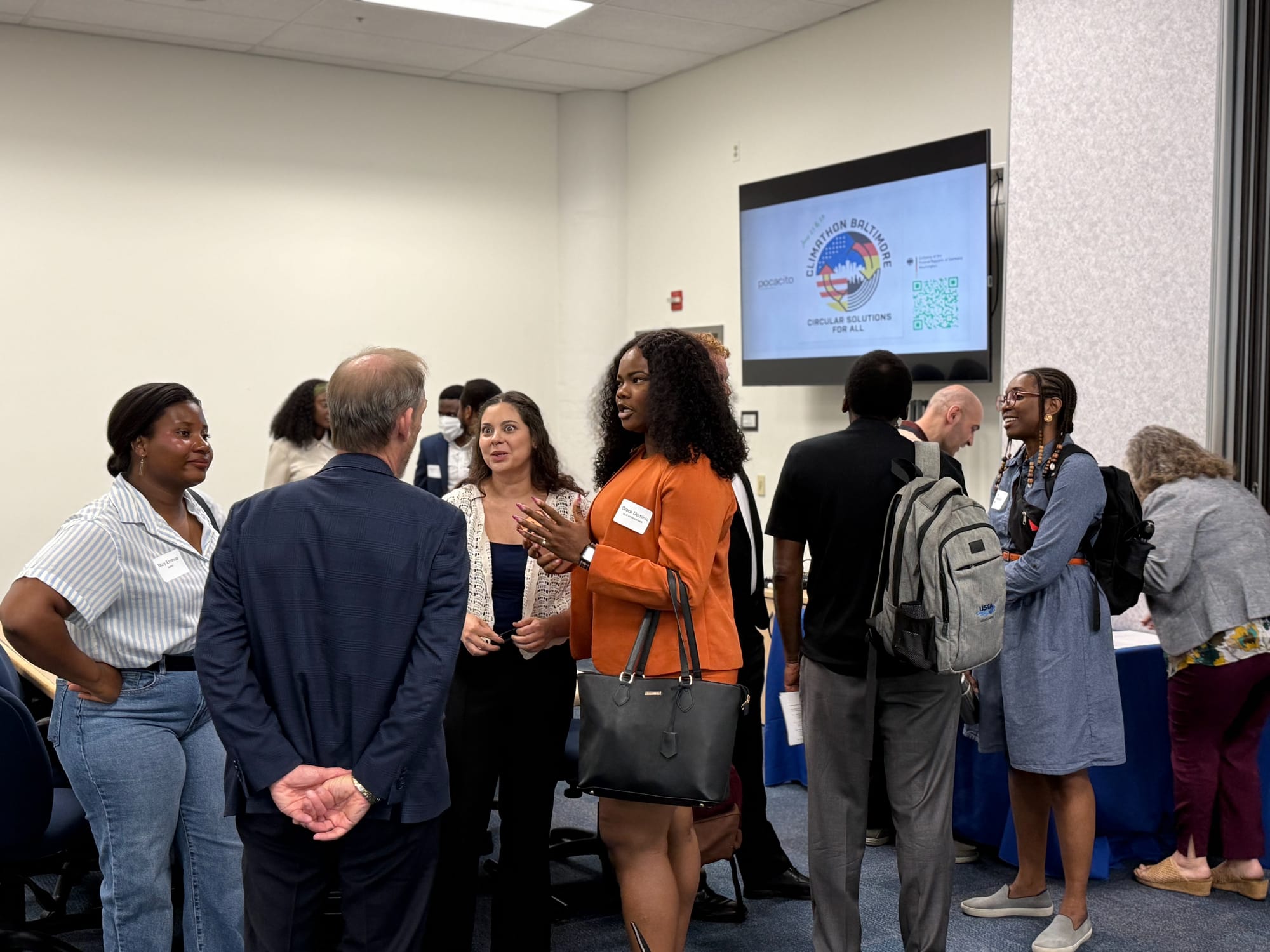
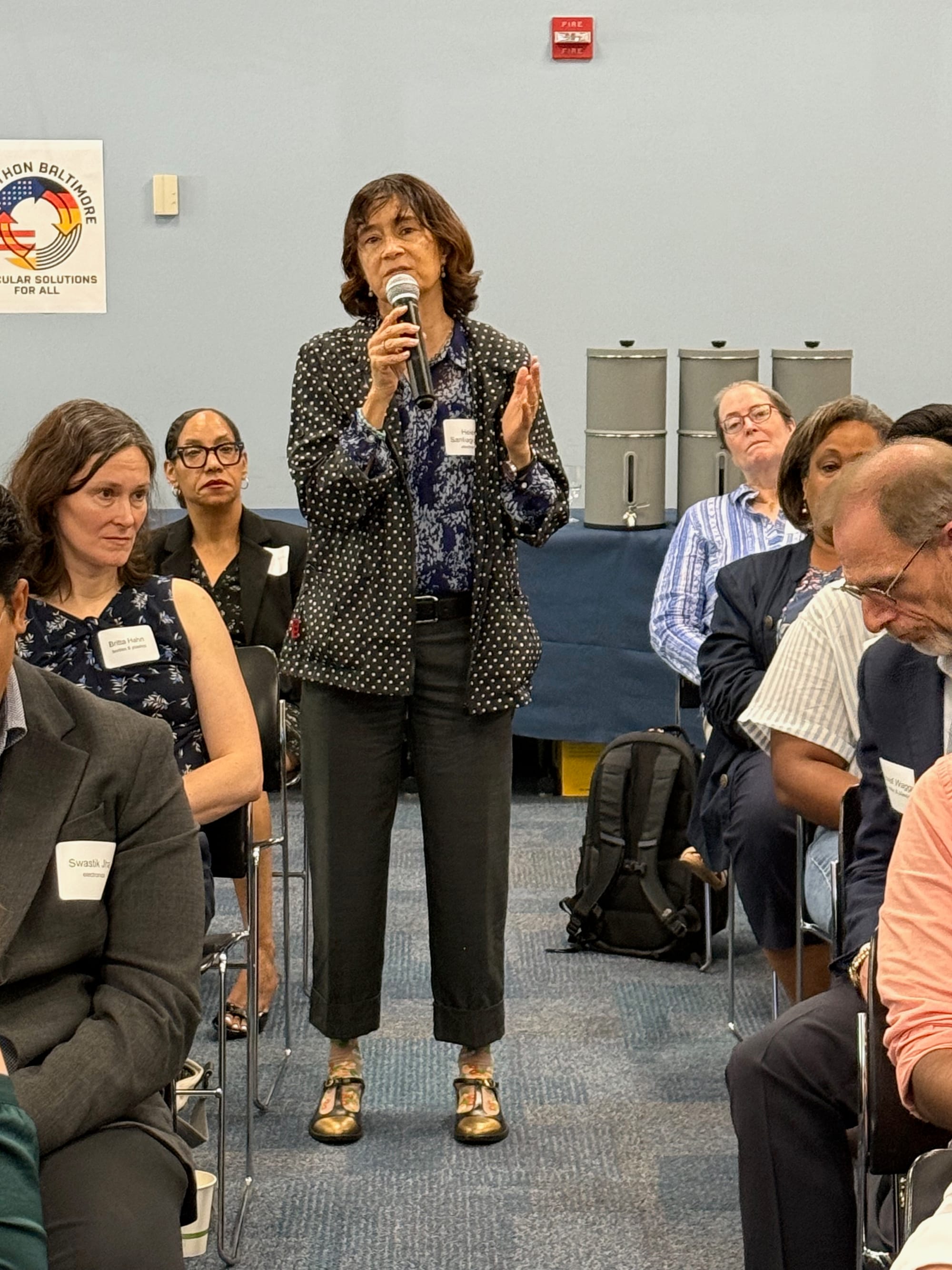
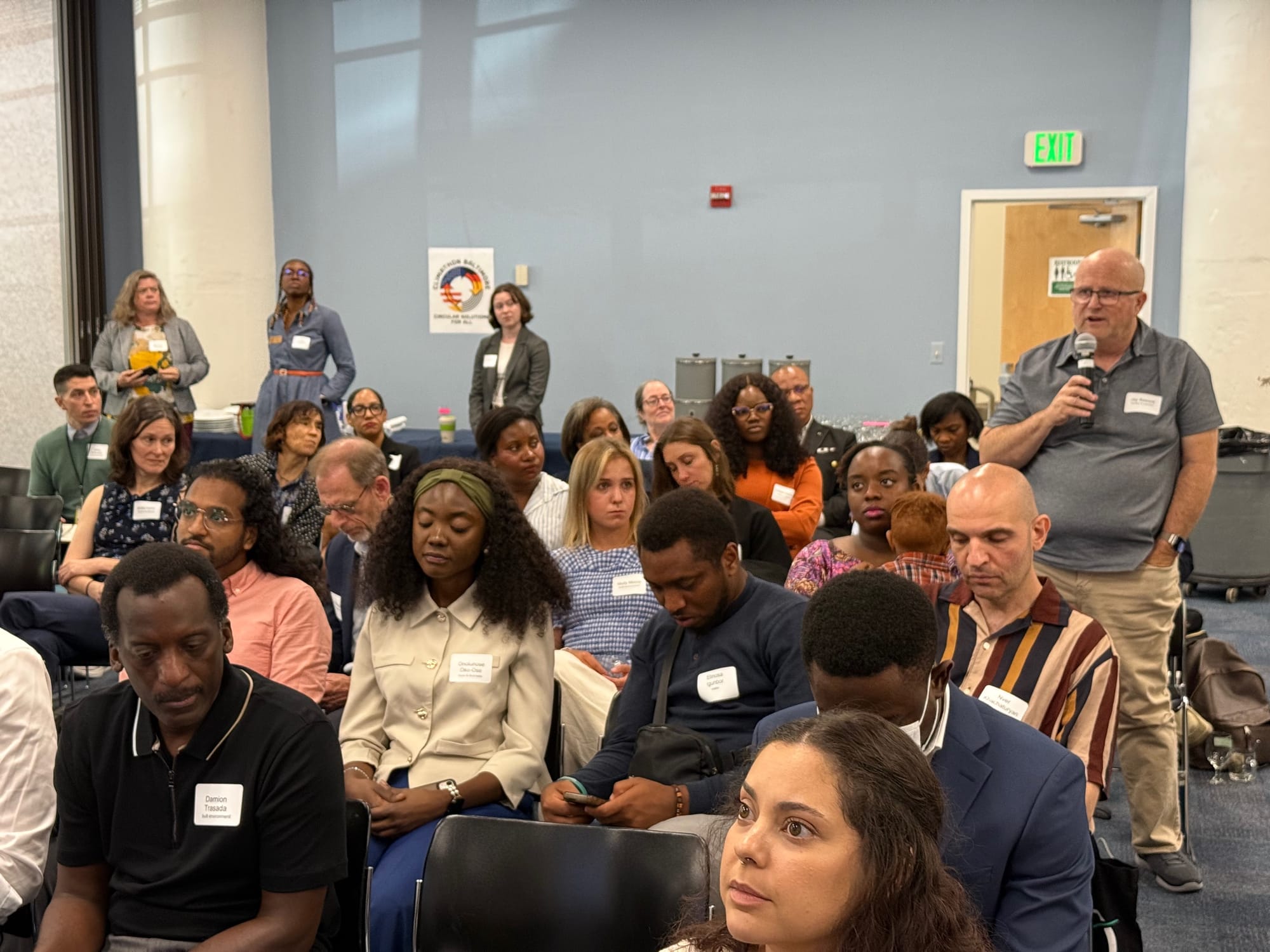
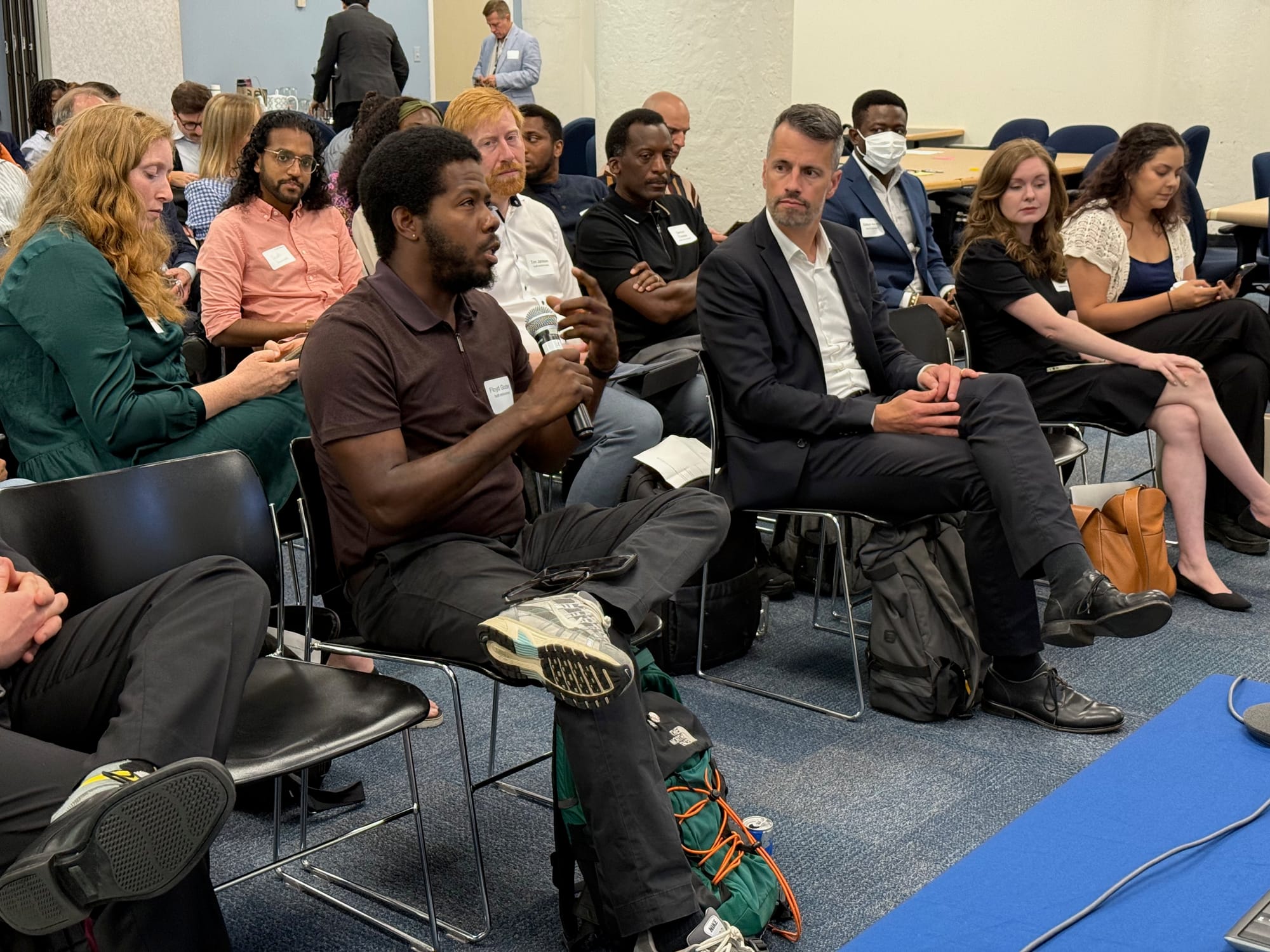
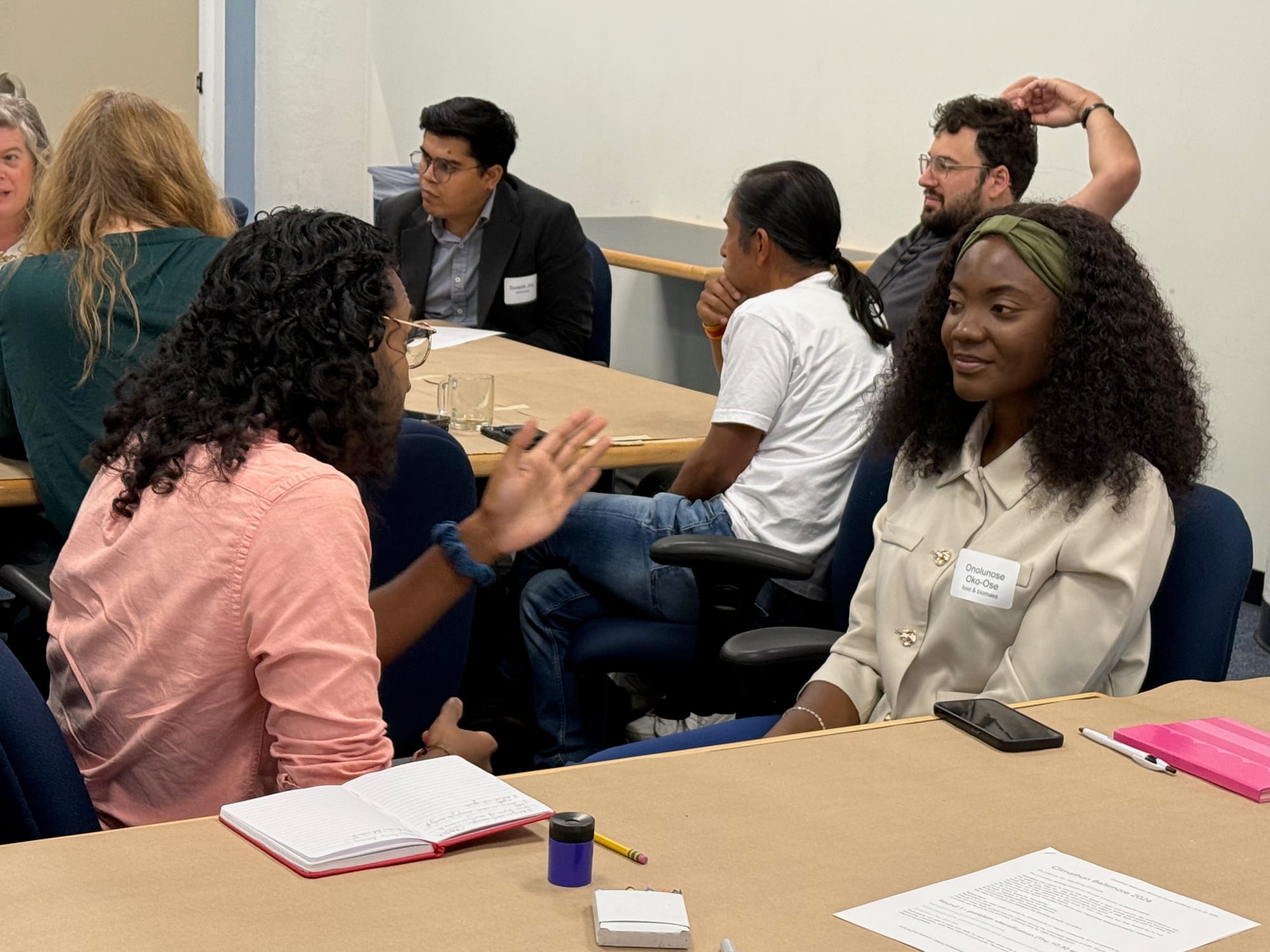
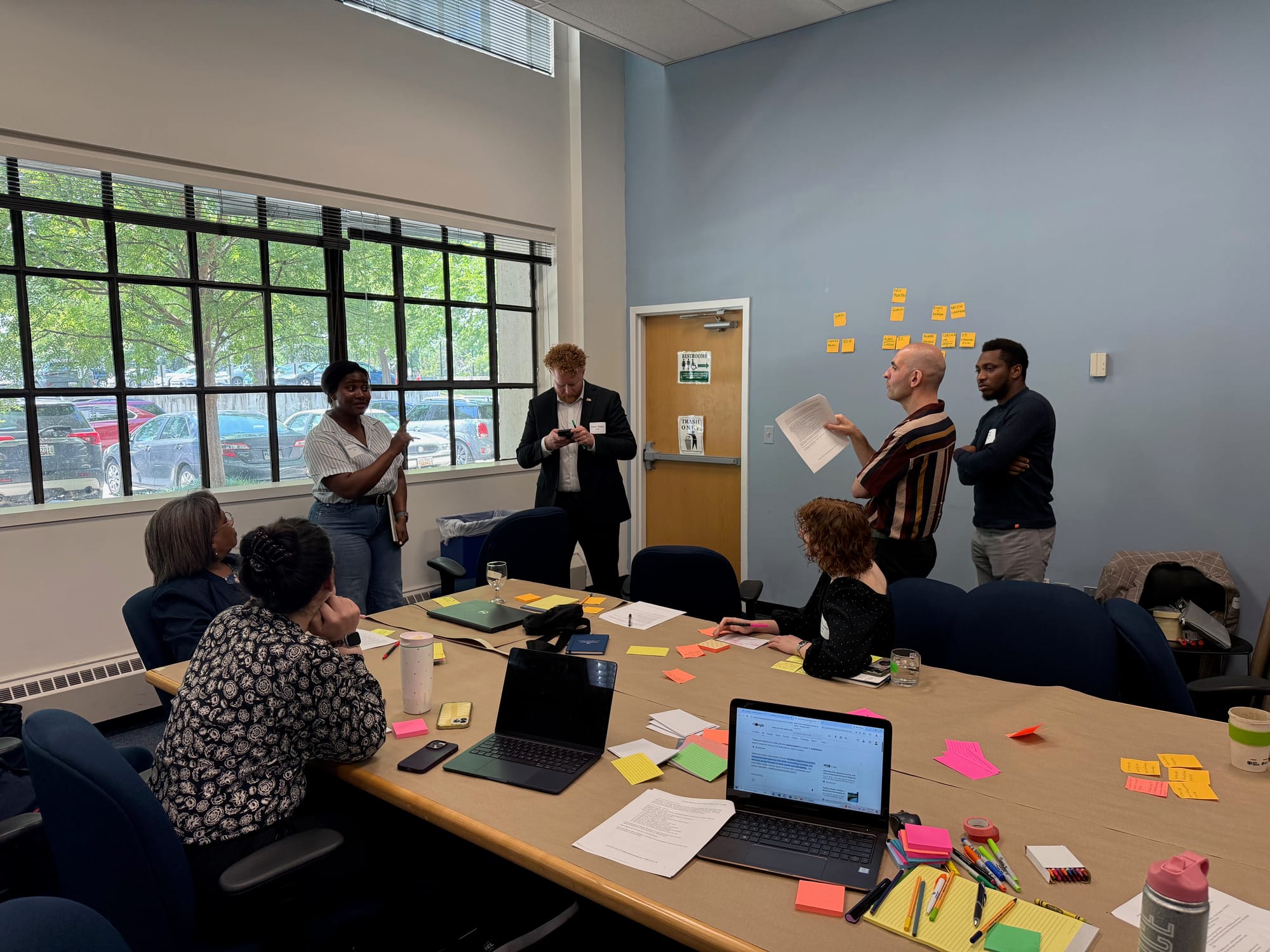
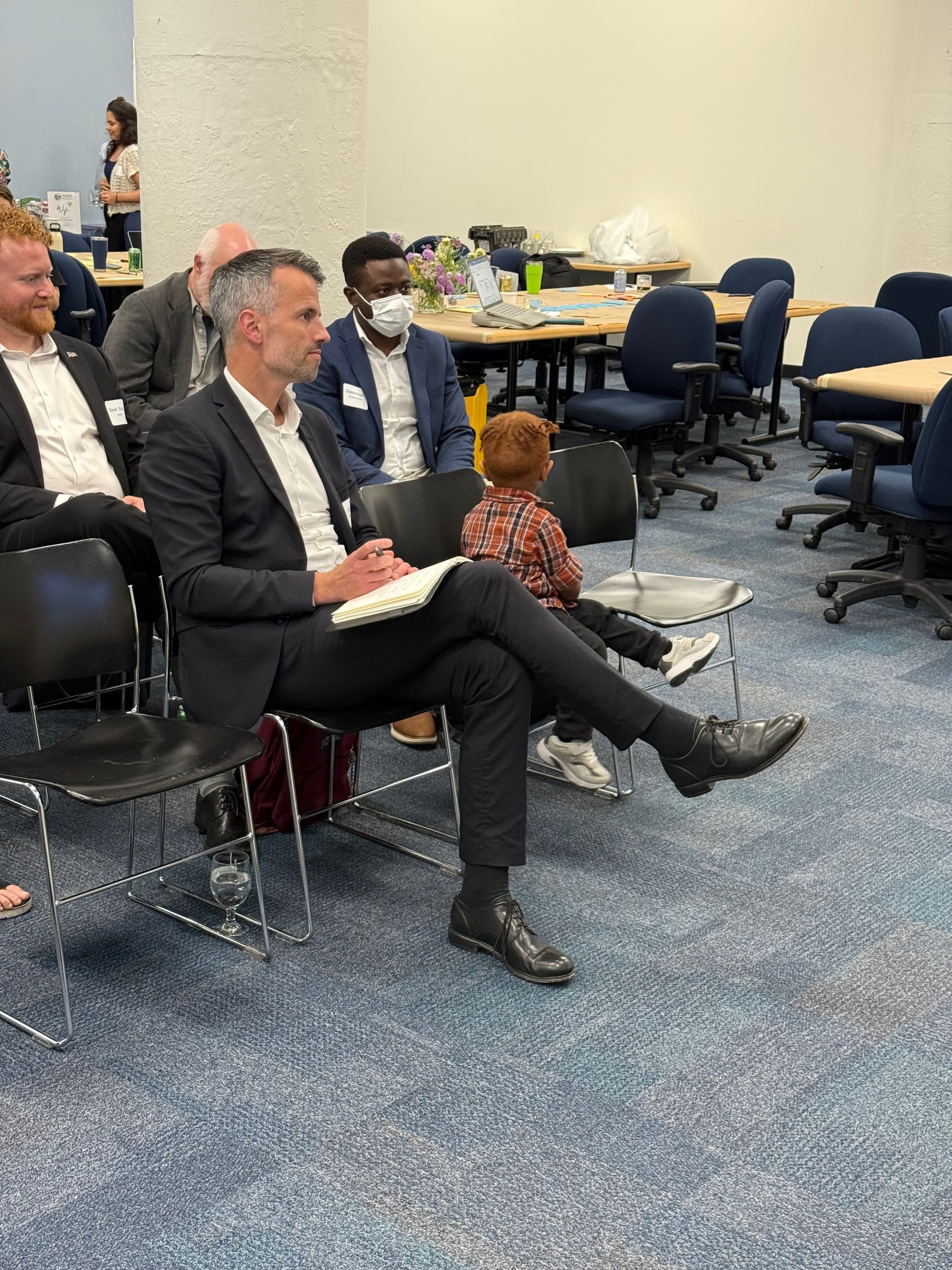
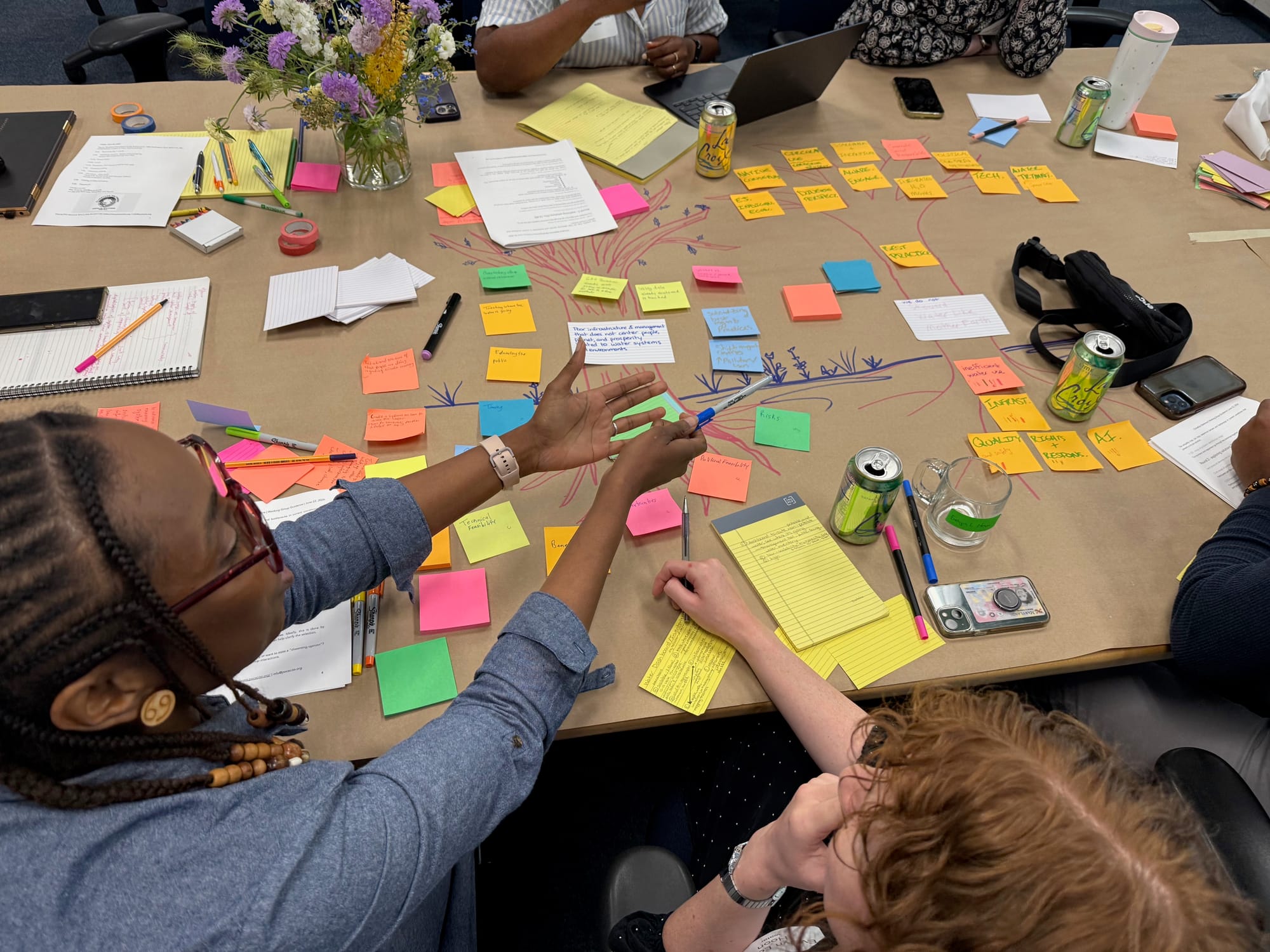
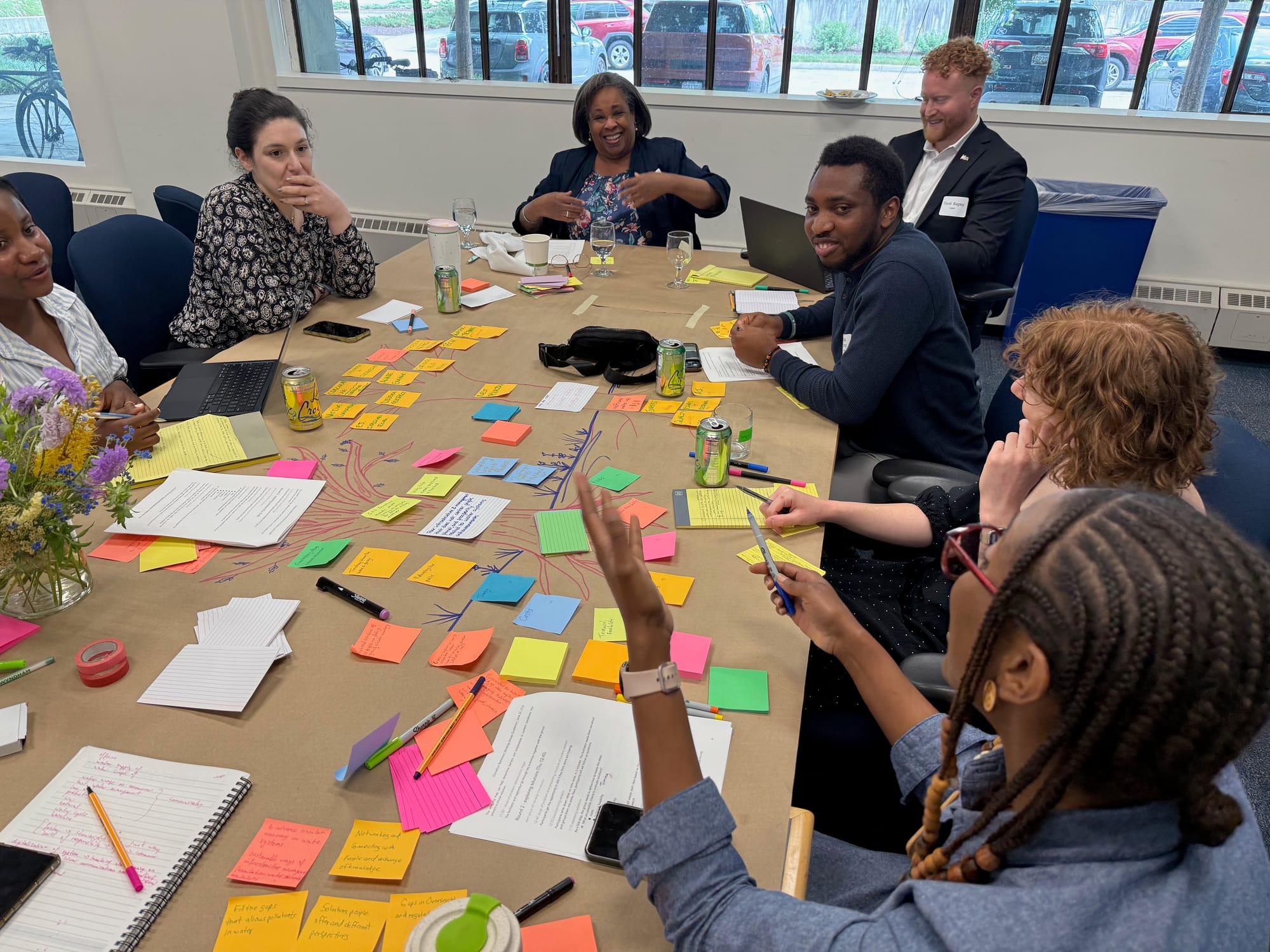
Impressions from Climathon Baltimore 2026
Many thanks to the Maryland Department of the Environment for hosting us.
Made possible thanks to the generous support of the