Holes in the Forest: Shrimp Ponds and the People Sustaining Ecuador’s Mangrove Coast
By: Wendy Chávez-Páez
For decades, coastal communities in Ecuador have watched their mangrove forests reduced to make way for commercial shrimp ponds. Since 2000, those same communities have finally been formally recognized as the ecosystem's primary guardians (as they always have been.) This is their story.
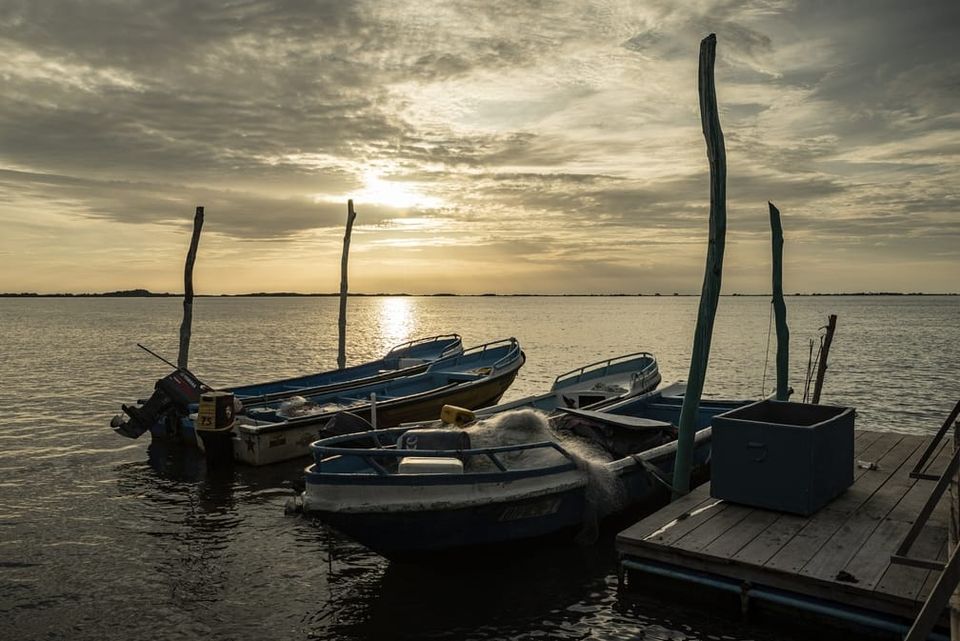
Mangroves have long sustained coastal communities in Ecuador, providing fish, crabs, shellfish, and other resources that support food security and long-standing ways of life. Their importance extends beyond what can be extracted from them: mangroves are also places of work, knowledge, collective organization, and territorial belonging. Today, as climate change intensifies coastal flooding and ecological uncertainty, these forests have become even more vital. They protect shorelines, sustain biodiversity and small-scale fisheries, store carbon, and provide a frontline defense for communities whose livelihoods depend on healthy coastal ecosystems.
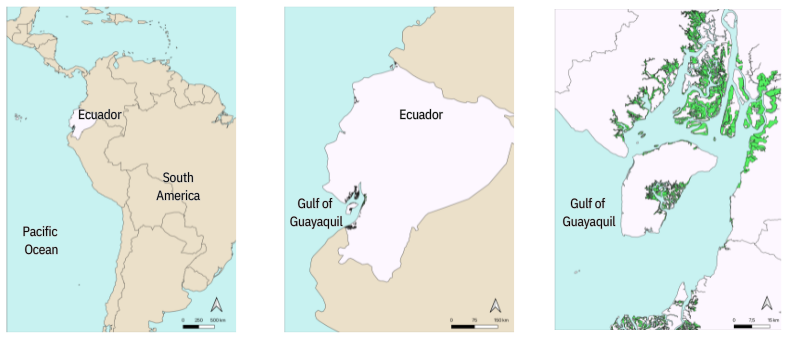
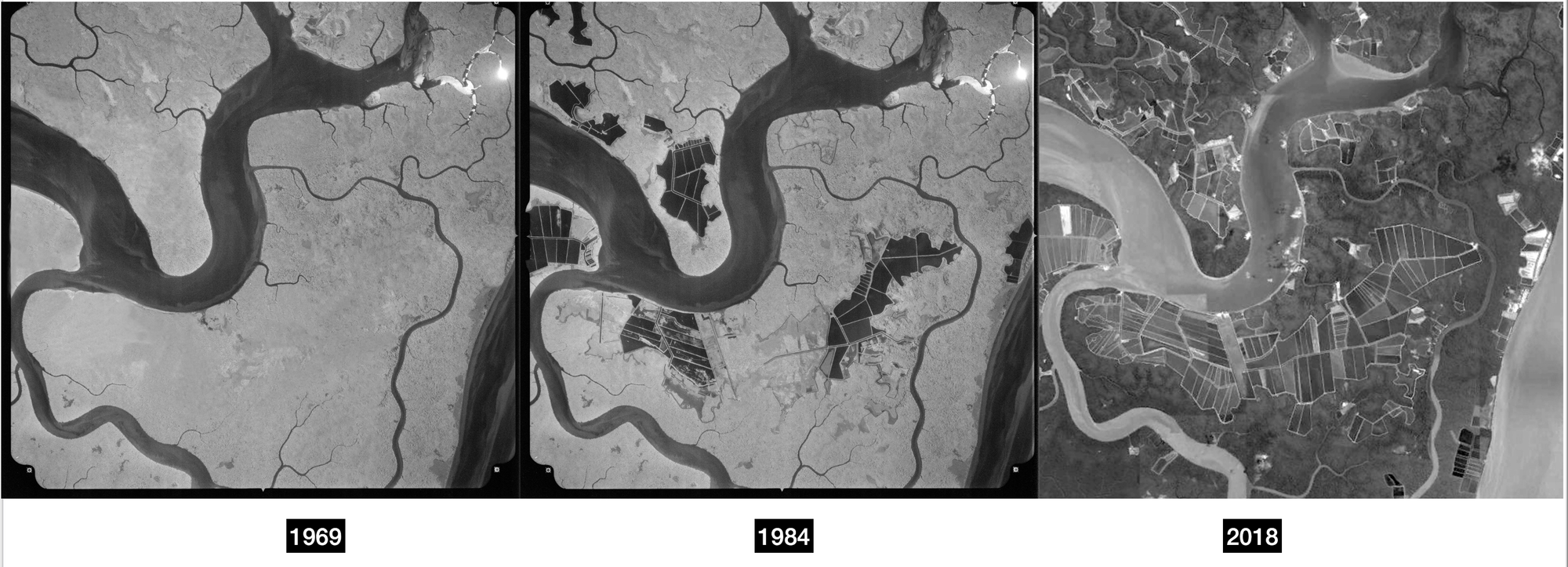
In some coastal areas of Ecuador that include mangroves and other intertidal wetlands, parts of these environments have been converted into ponds for export-oriented shrimp farming. These active infrastructures, that in an aerial picture look like holes in a forest, sustain one of the country’s most important export industries. But beneath the global success of Ecuadorian shrimp lies a less visible history: one of ecosystem transformation, and displacement.
From extraction to stewardship
Between 1970 and 2000, the rapid expansion of the shrimp industry led to large-scale clearing of mangroves and salt flats. This process was legally enabled through concessions granted by the state. These concessions facilitated economic growth, they also redefined coastal landscapes and livelihoods. Communities that depended on mangroves for subsistence were deeply affected, and in some cases displaced. Today, shrimp has become Ecuador’s leading export, surpassing bananas and oil, and is widely recognized in international markets. Yet its farming remains tied to the destruction of an ecosystem.
One of the most striking contradictions is that shrimp has long been certified for export to Global North markets, even though its production was established on deforested mangrove areas. As Ecuadorian researchers and activists Líder Góngora and Marianelli Torres have critically noted in their text to “Certifying the destruction.”
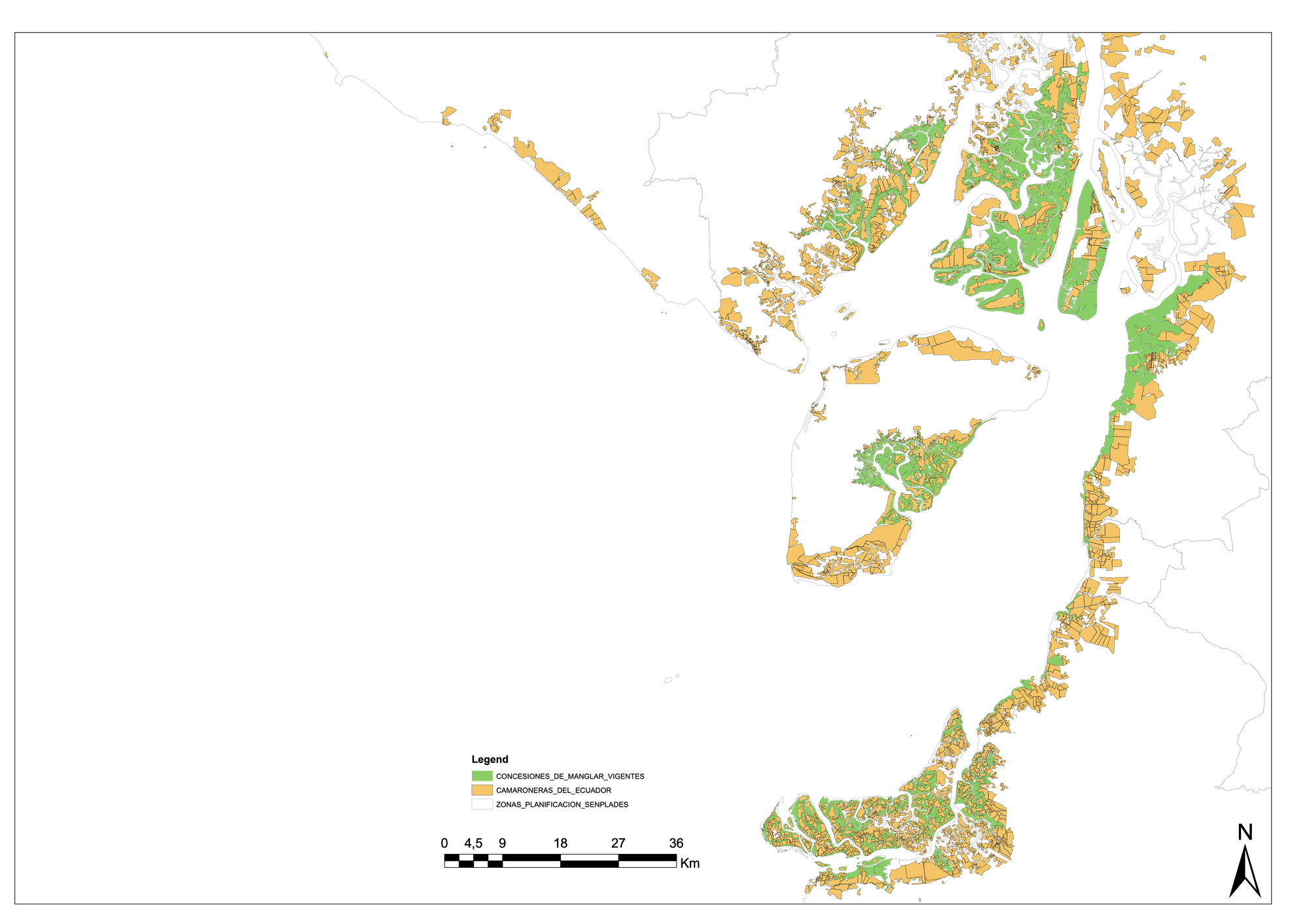
Despite this extractivist trajectory, the year 2000 marked an important shift. Coastal communities organized to demand recognition of their ancestral rights and their role in managing mangrove ecosystems. Supported by activist individuals, environmental organizations and researchers, they proposed a reversal of the concession logic; instead of requesting rights to exploit mangroves, they demanded rights to protect them. This led to the creation of the Sustainable Use and Custody Agreements for the Mangrove Ecosystem (AUSCEM, by its Spanish acronym).
Work in progress
Today, more than 98,000 hectares of mangroves, which is 62% of the total mangrove coverage in the country, are managed under these agreements by coastal communities, who act as stewards of the ecosystem. Their work includes monitoring species, implementing custody over the mangrove hectares for mangrove and species reproduction to be safe, and engaging in reforestation efforts. This model has been widely recognized as a successful example of community-based conservation and, more recently, and we can say that it is intrinsically a form of nature-based solution.
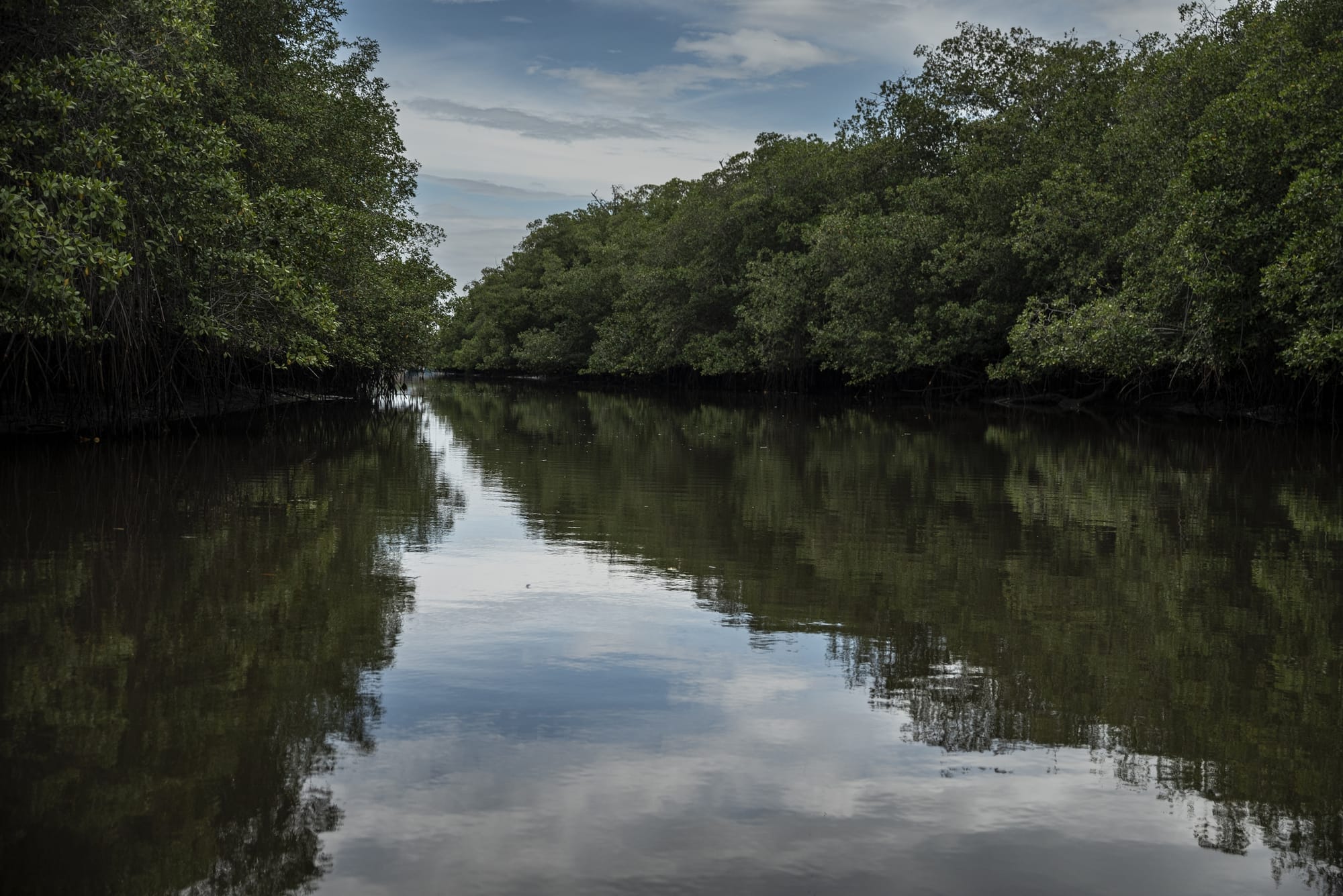
Research has shown that AUSCEMs have been successful in slowing down deforestation. However, there are other aspects to look up to when we talk about conservation. Many communities living in mangrove areas still lack access to basic services such as drinking water, sanitation, electricity, and waste collection. Conflicts persist between small-scale harvesters and between communities over access to resources. Water quality continues to be affected by the shrimp industry. In other words, while communities are recognized as environmental stewards, they are not equally supported as citizens.
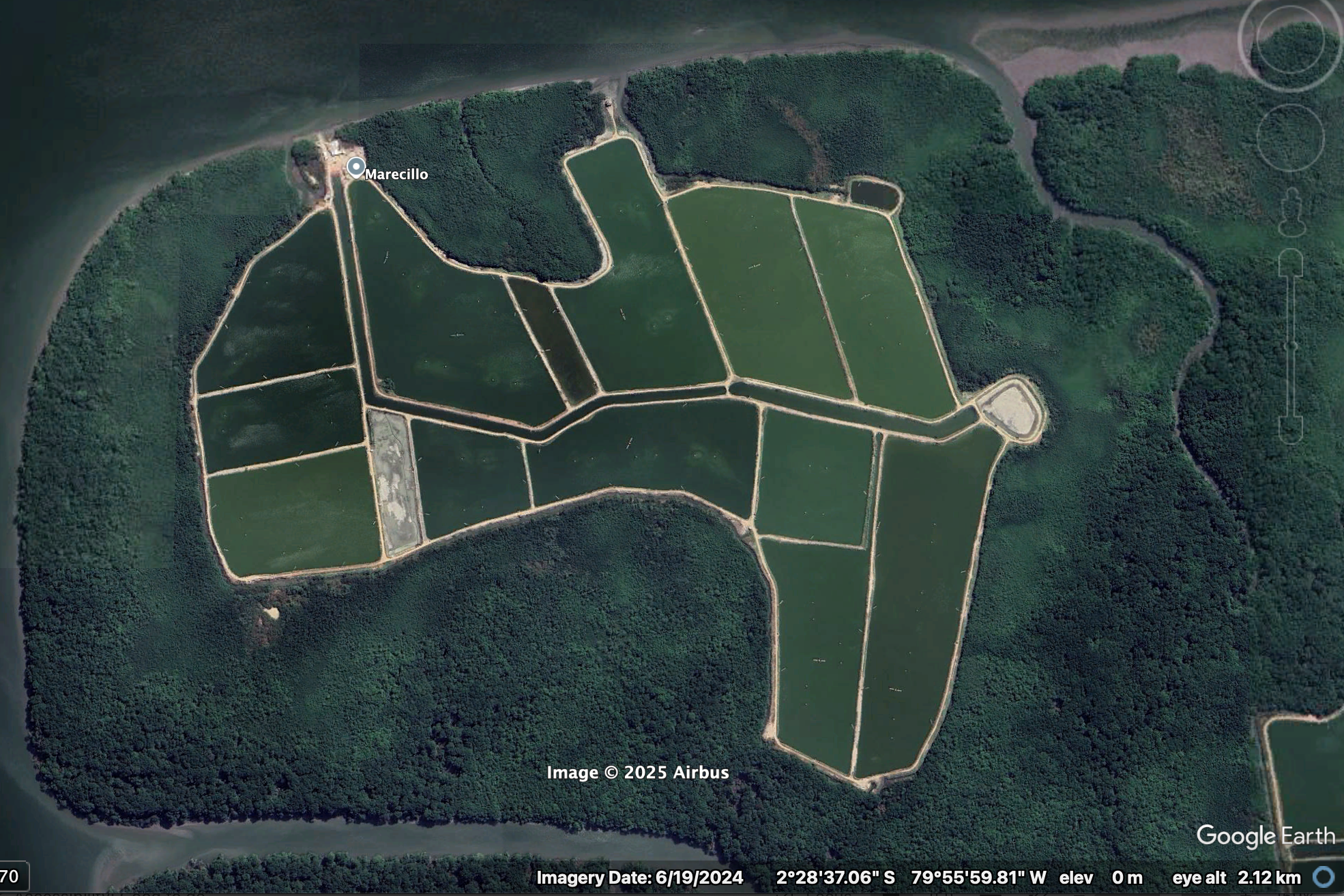
This raises a broader question about how nature-based solutions are framed and implemented. In Ecuador, mangrove restoration efforts led by communities in collaboration with NGOs, have demonstrated tangible ecological gains. Mangrove coverage has increased in certain areas yet, when looking at the coastline as a whole, significant gaps remain. There are stretches of coast where mangrove buffers are absent or severely degraded, potentially exposing both shrimp infrastructure and nearby communities to the impacts of climate change, including sea-level rise.
Communit challenges
In these areas, some communities remain particularly vulnerable, lacking both natural protection and adequate public support. Addressing this requires:
- Expanding restoration efforts, including creating new spaces for mangrove growth and learning from experiences in other parts of the world.
- Engaging the shrimp industry in increasing mangrove coverage along estuarine and coastal fronts.
- Establishing an active role by the government in supporting communities that face increasing climate risks, including the basic containment infrastructure that, in some places, holds the rising sea back, and in others, is still absent.
Doña Flora Urbina, President of the Costa Rica community, captures this uneven reality: "I dream of parishes, of communities, where we all have the same, what one community has, let all communities have”.
Local heroes
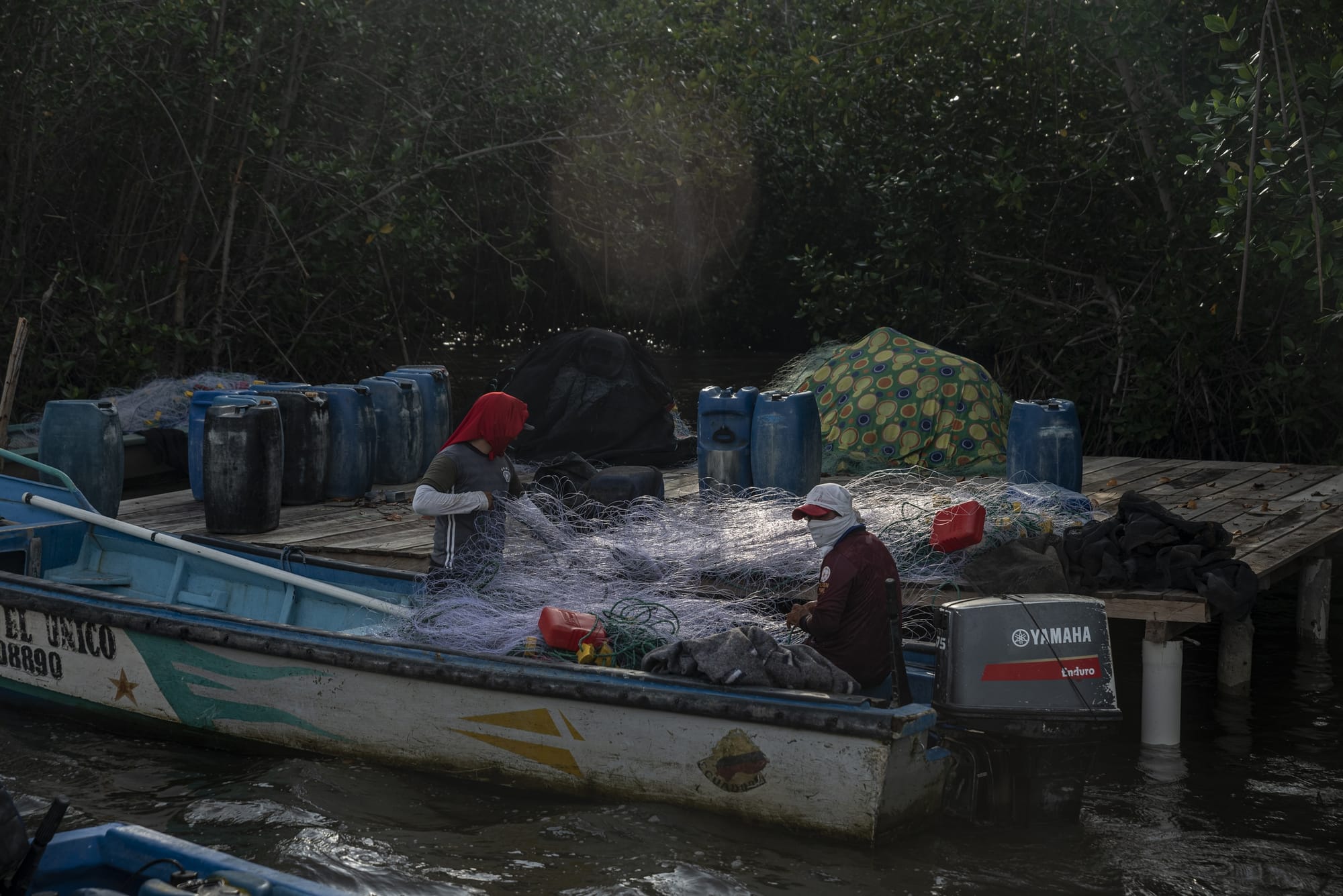
Nature-based solutions are often discussed in terms of ecosystems, carbon storage, and biodiversity. But in practice, their effectiveness depends on something more fundamental. In Ecuador, mangrove conservation has been sustained by people; coastal communities have taken on the responsibility of protecting ecosystems that are critical for biodiversity, for climate adaptation and local livelihoods.
The most important asset of nature-based solutions is people. Ecuador took an important step in 2000 by recognizing communities as central actors in conservation. But recognition alone is not enough. If nature-based solutions are to deliver on their promise, they require a team effort. Solutions must also involve those on the ground, working with communities, strengthening their territorial rights, and respecting rather than replacing their knowledge and institutions.
Wendy Chávez-Páez is an Ecuadorian economist and social scientist whose research examines conflicts affecting coastal communities in Ecuador. Her work engages with community-based mangrove management, ancestrality, community justice, coastal governance, and green criminology.
Interested in more? Listen to our podcast about Isla Costa Rica.