Forum for Environmental and Climate Justice: October 28, 2026
Environmental Data and Information
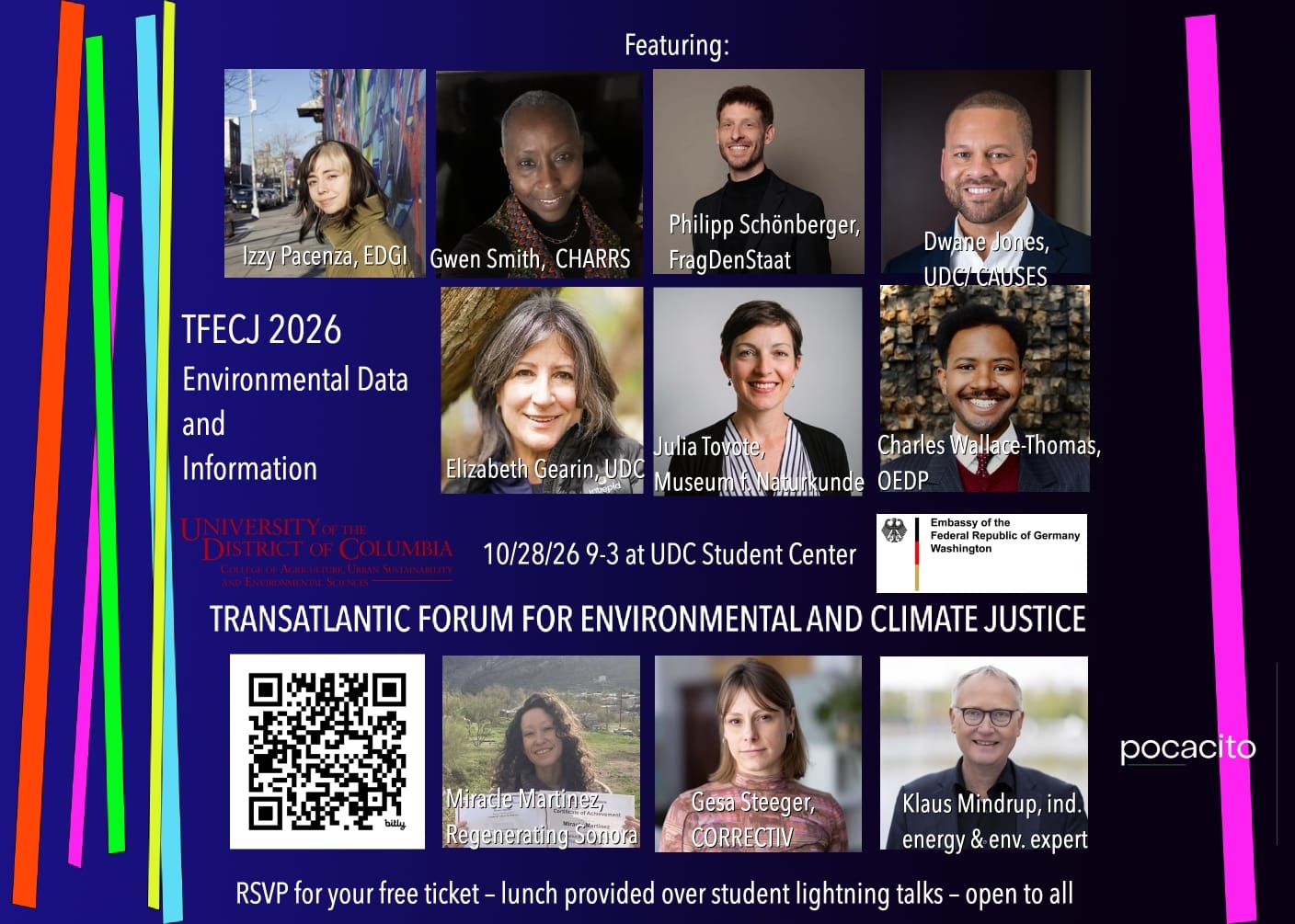
WHAT: Fifth POCACITO Forum on Environmental and Climate Justice, co-hosted with the German Embassy in Washington D.C. and the University of the District of Columbia, UDC
WHY: Exploring where and how the USA and Germany can jointly contribute to greater environmental and climate justice by collecting, providing and sharing environmental data, while simultaneously strengthening climate security at the national and international levels.
WHEN: October 28, 2026: 9am to 3pm
WHERE: University of the District of Columbia Student Center, 4200 Connecticut Ave NW, Washington, DC 20008
RSVP: Reserve your ticket with link below
with
Anna Heinen-Klee, Embassy of Germany in Washington D.C.
Dwane Jones, University of the District of Columbia
Julia Tovote, Museum für Naturkunde Berlin
Gwen Smith, Community Health Aligning Revitalization, Resilience, & Sustainability (CHARRS)
Miracle Martinez, Regenerating Sonora and University of Arizona
Dr Birte Hemmelskamp-Pfeiffer, Leibniz Center for Tropical Marine Research
Gesa Steeger, Correctiv
Charles Wallace-Thomas, Open Environmental Data Project
Izzy Pacenza, Environmental Data and Governance Initiative
Philipp Schönberger, Frag den Staat
Klaus Mindrup, independent energy and environment expert
Elizabeth Gearin, University of the District of Columbia
(full bios below)
🕛 Schedule for the day: 🕛
9:00 - Welcome
9:15 - Environmental data, community participation and vulnerable populations
with Julia Tovote, Gwen Smith, Miracle Martinez and Dr. Birte Hemmelskamp-Pfeiffer
11:00 - The role of nongovernmental organizations in collecting environmental data - security, transparency and trust
with Gesa Steeger, Charles Wallace-Thomas, Izzy Pacenza, Philipp Schönberger and Klaus Mindrup
12:30 - Lunch Lightning Talks with UDC students
1:30 - Environmental data and information in practice
chaired by Elizabeth Gearin, UDC
2:15 - Closing remarks
2:30 - Tour of UDC facilities
Our UDC tour will include a visit to the campus amphitheater, the aquaponics project, and the Environmental Quality Testing Lab.
Secure your spot today:
Why we meet:
Differences and gaps have existed for some time; consequently, we have changed the framework for the collection and provision of continuous and comparable environmental data. For example, in the USA, data on waste generation has not been systematically collected and provided since 2018. Recent developments in air quality and greenhouse gas emissions can be seen as a consequence of this. In Germany, too, questions arise about how environmental data can be collected sustainably, given budget cuts in public authorities and universities.
New approaches to collecting, providing and sharing environmental data include citizen participation in research, greater involvement of foundations and non-governmental organizations, as well as new information systems and automation solutions such as the use of artificial intelligence (AI) and drones.
At present, there is conflict and tension between transparency and surveillance in which environmental data collection operates. In particular, the participation of citizens, foundations, and non-governmental organizations offers an opportunity to strengthen environmental and climate justice. On the other hand however, the use of AI and drones can also lead to rejection and conflict, especially with vulnerable groups.
Inputs to the forum come from civil society and research institutions.
The Forum is made possible thanks to the generous support of the German Embassy in Washington D.C. Many thanks to the University of the District of Columbia for partnering with us.
See you on October 28 at this year's Forum. Secure your free ticket today:
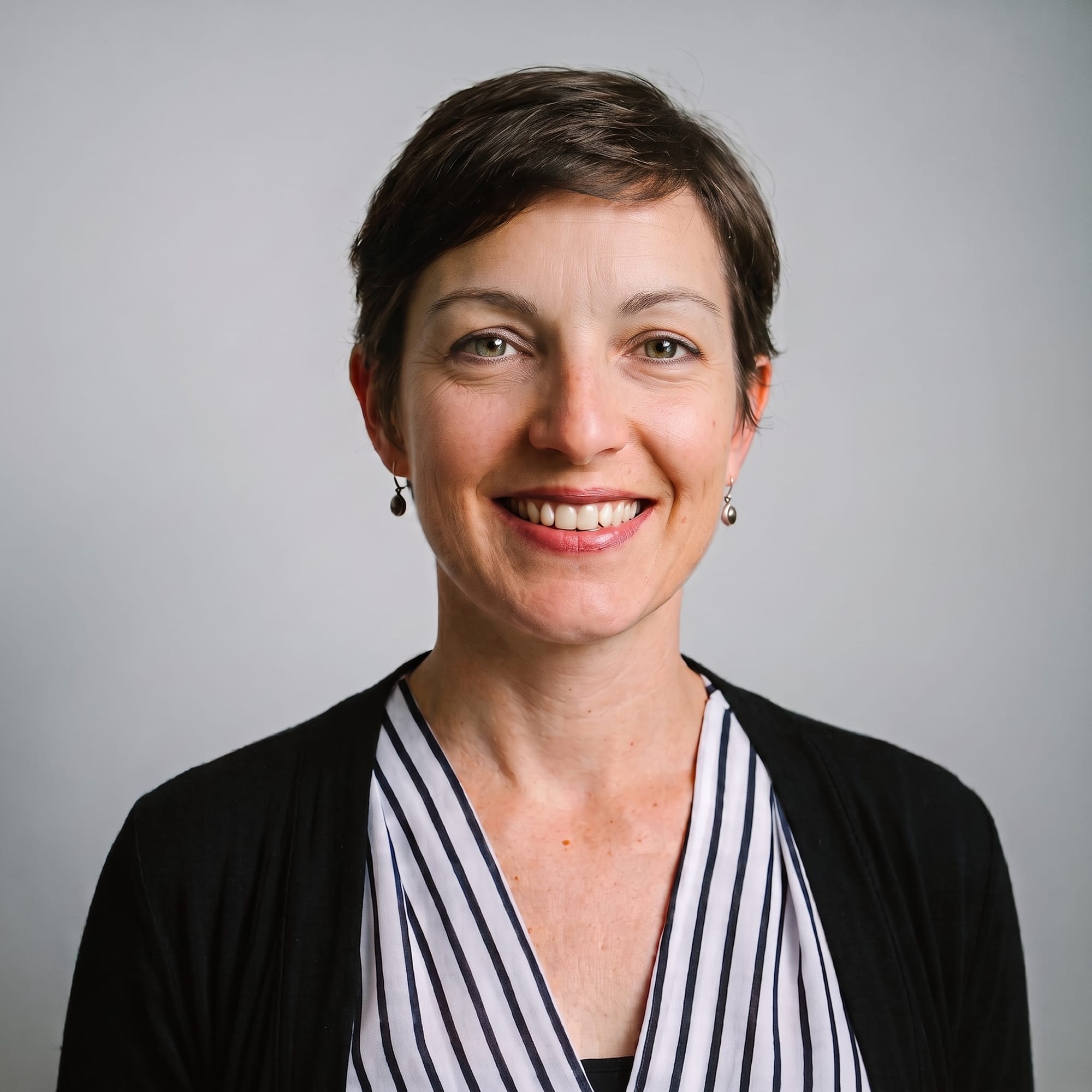
Julia Tovote is Deputy Lead of Mind the Water: Voices from Berlin and Brandenburg at the Museum für Naturkunde Berlin, translating participatory research into policy recommendations. With an interdisciplinary background in political science and sustainability consulting, her broader research focuses on the drivers and barriers of environmental transformation.
"In our project Mind the Water: Voices from Berlin and Brandenburg at the Museum für Naturkunde Berlin, we actively mobilize citizen participation to generate novel, community-driven data on water transformations - because citizens are crucial knowledge holders whose local expertise is vital for shaping effective and resilient water management strategies. For this collaboration to succeed, it must be a two-way street: governments must also provide transparent access to institutional data on their side, while actively involving the population in decision-making processes."
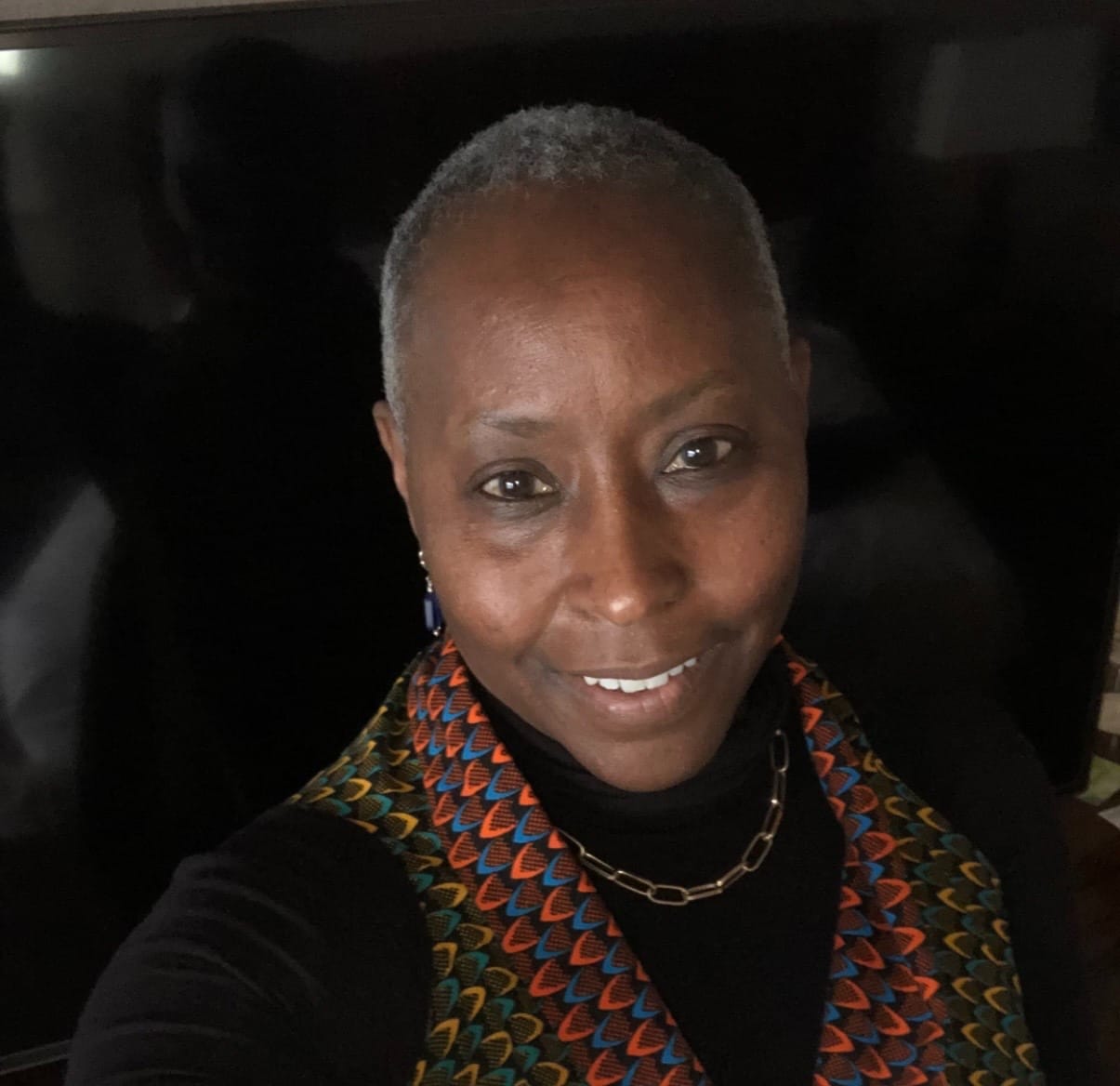
Gwendylon P. Smith is a passionate advocate for equity and Environmental Justice, dedicated to addressing systemic challenges faced by African American and marginalized communities. Based in Atlanta, Georgia, she serves as the Executive Director and Founder of Community Health Aligning Revitalization Resilience & Sustainability (CHARRS), where she employs a Social Determinants of Health lens to improve social, economic, educational, and health outcomes.
Gwen wonders: How can we protect vulnerable groups when collecting and analyzing environmental data and information?
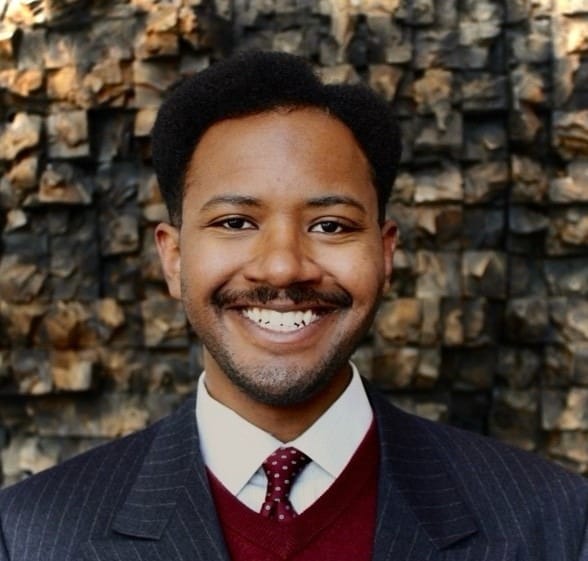
Charles Wallace-Thomas is the Climate Reserve Senior Fellow at the Open Environmental Data Project. Previously, he served as the Senior Advisor for Justice40 in the White House Office of Environmental Justice at the Council on Environmental Quality. At OEDP, he has been focused on engagement on the next generation of environmental justice data tools.
Charles says: Amid the erasure of federal climate and environmental justice data, we must not only replicate existing tools, but build a more durable, interconnected, and modular ecosystem where data from federal, state, and community sources can inform decisions and strengthen the work to achieve climate and environmental justice.
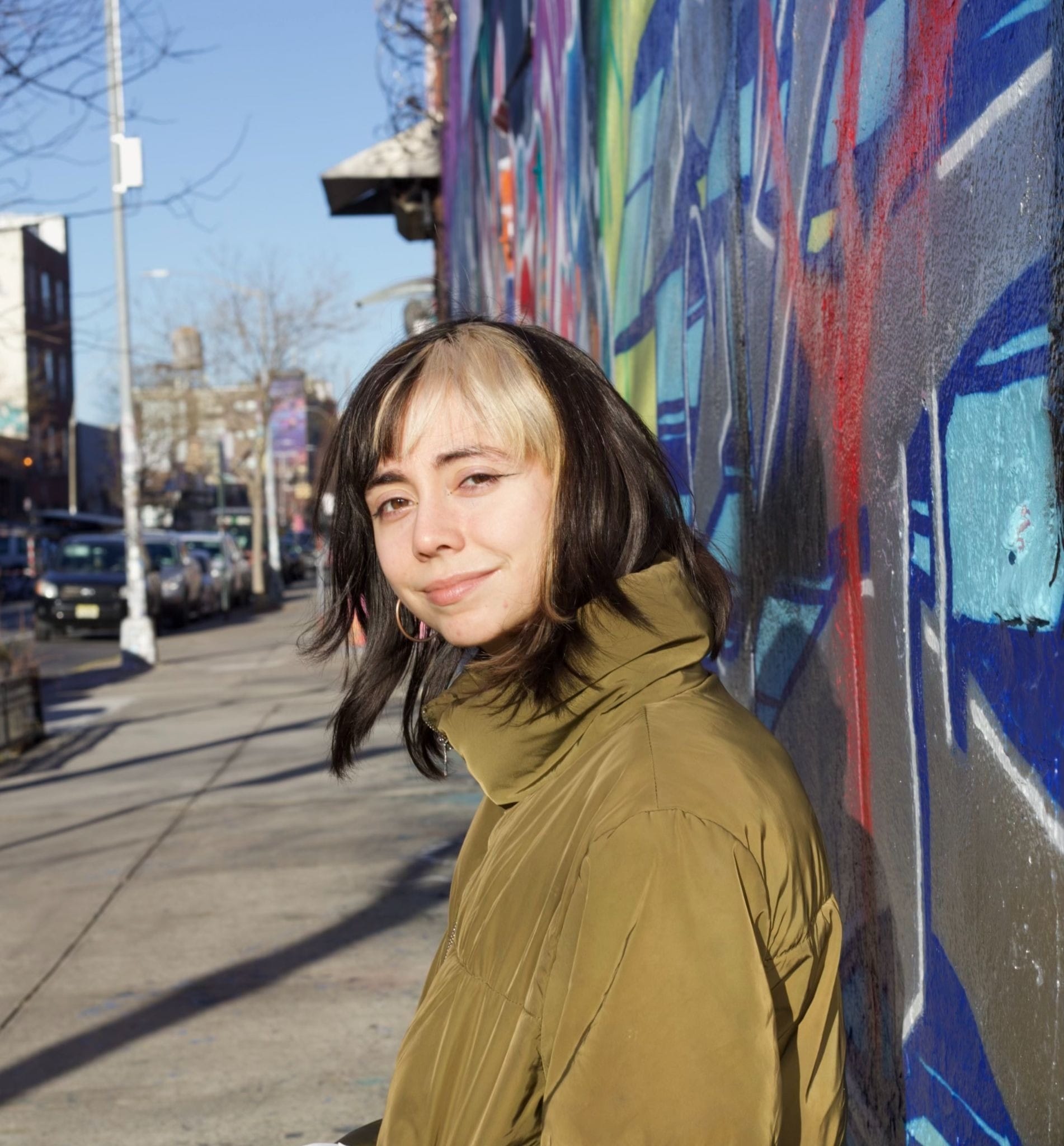
Izzy Pacenza is the Safeguarding Data and Information Project Coordinator at the Environmental Data & Governance Initiative. She is also a communications lead for the data preservation coalition, Public Environmental Data Partners. Izzy is committed to protecting and expanding access to climate and environmental data and information, and reimagining ways for stewarding this information.
Izzy says: As the weaknesses in our environmental governance become ever more apparent, we have a unique opportunity to prioritize and center environmental justice in the systems we rebuild and reimagine.
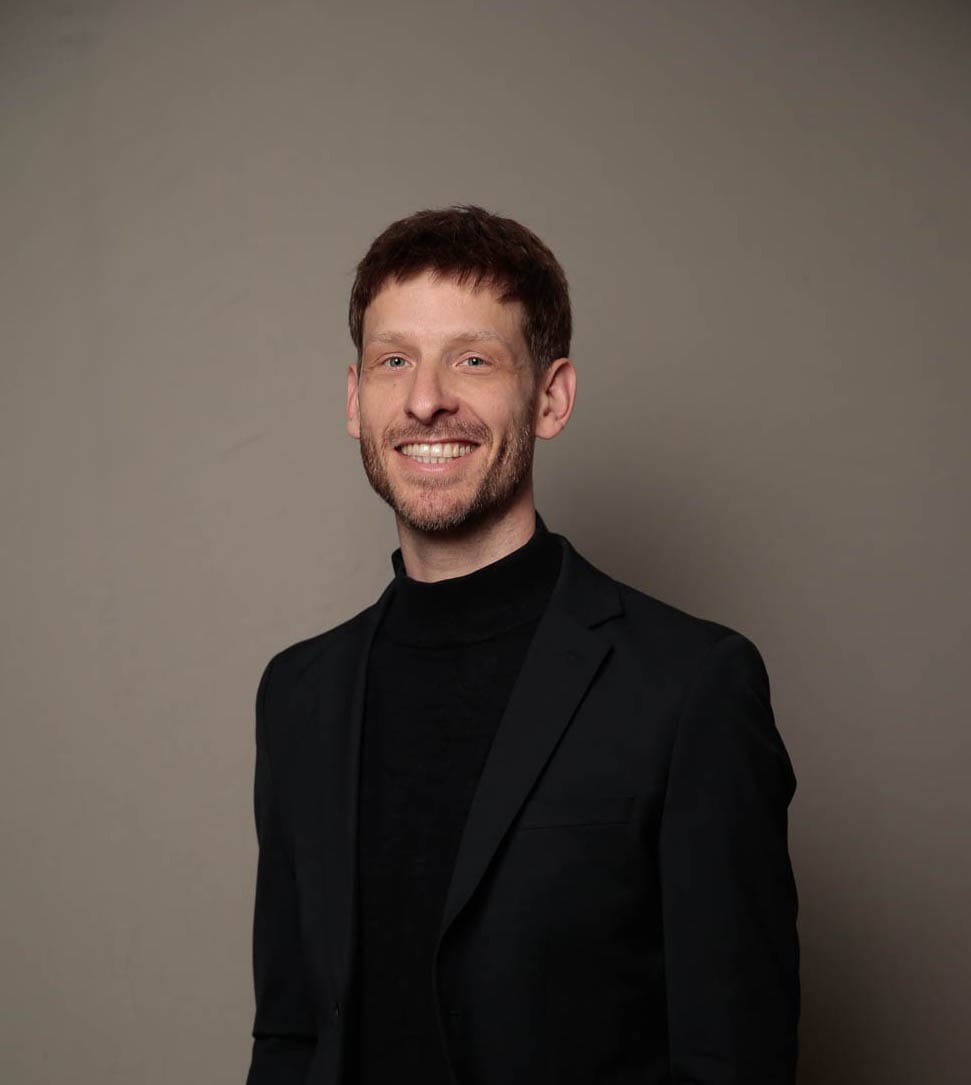
Philipp Schönberger is a German lawyer specializing in freedom of information, environmental and human rights law. He works for the transparency platform FragDenStaat and at the lawfirm KM8 Rechtsanwält*innen in Berlin.
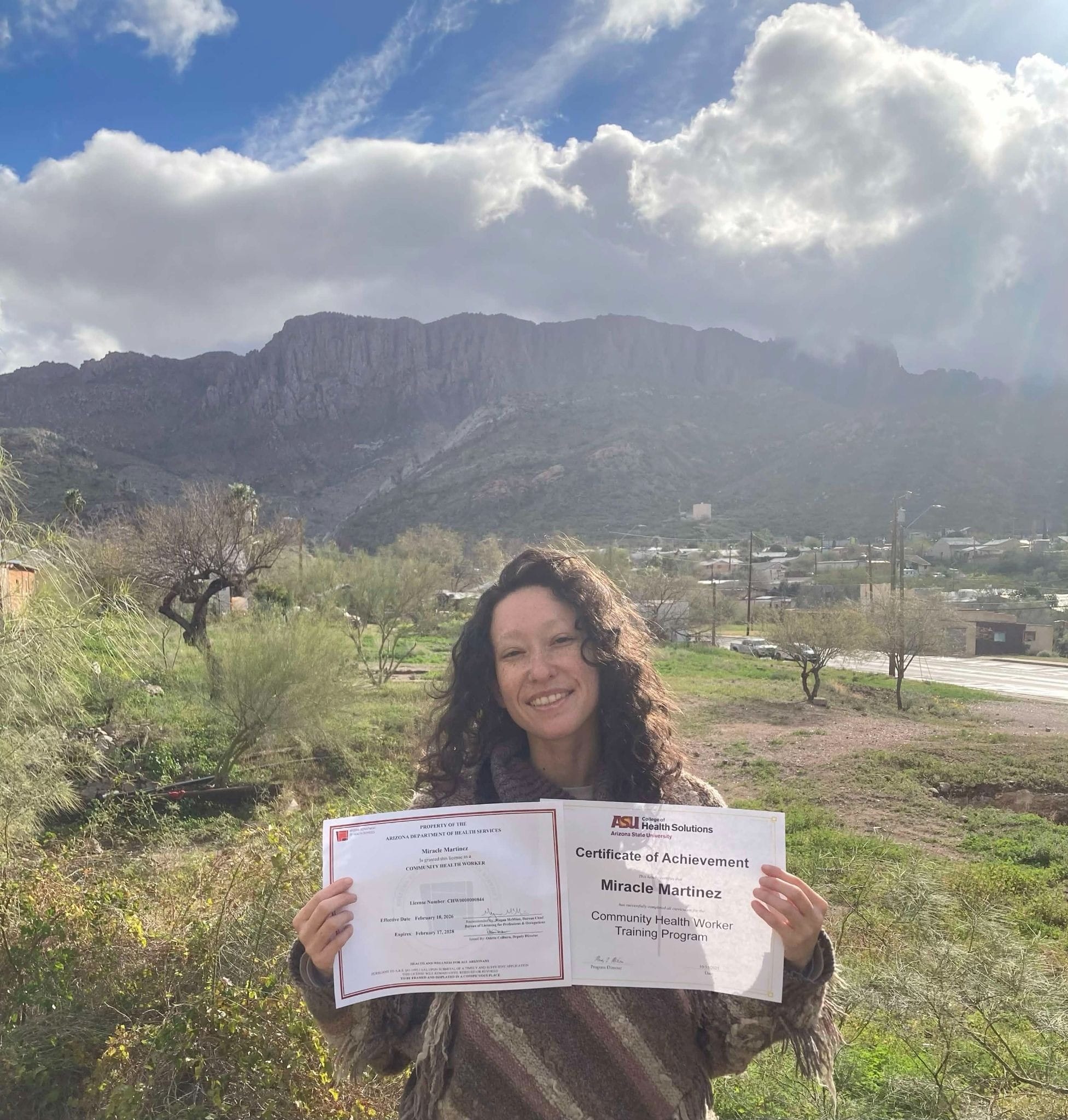
Miracle Martinez is a Superior, AZ resident working as Program Innovator & State Certified Community Health Worker for non-profit Regenerating Sonora and Community Outreach Assistant for the University of Arizona's Integrated Environmental Science and Health Risk Laboratory.
Miracle focuses on the role that the community plays in data collection and science.
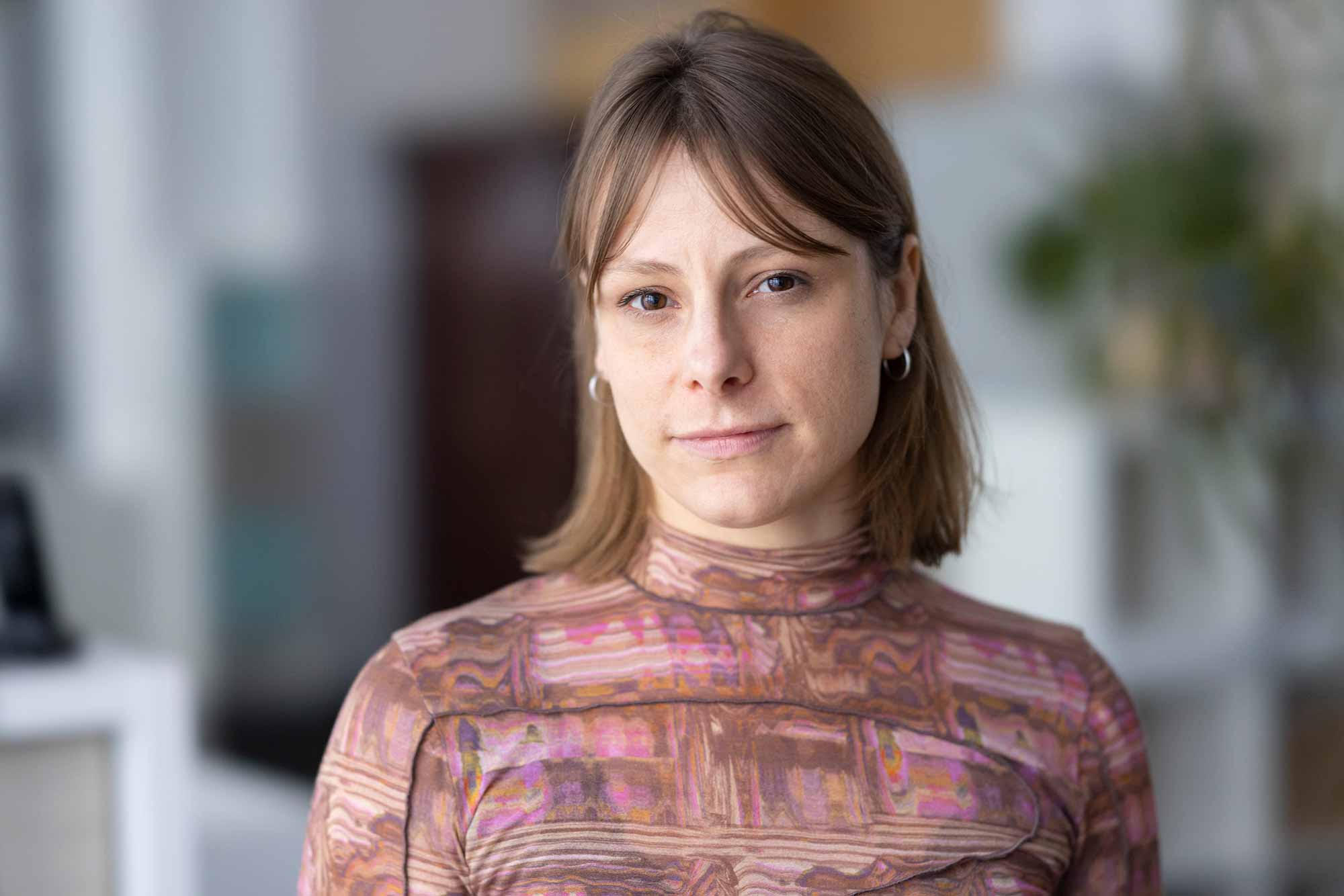
Gesa Steeger works as an investigative senior reporter and editor at the German non profit newsroom CORRECTIV.Her work lies at the intersection of climate, economics, and finance. She also coordinates networking and collaboration between CORRECTIV.Klima and the CORRECTIV local network.
Her writing and investigative work have earned her multiple nominations for prestigious journalism awards, including the German Journalism Prize (DJP), the German Reporter Prize, and the Ernst Schneider Prize. In 2020, she received the VDAJ’s "Grüne Reportage" (Green Reportage) award for emerging journalists.
Gesa is an alumna of the Oxford Climate Journalism Network (OCJN).
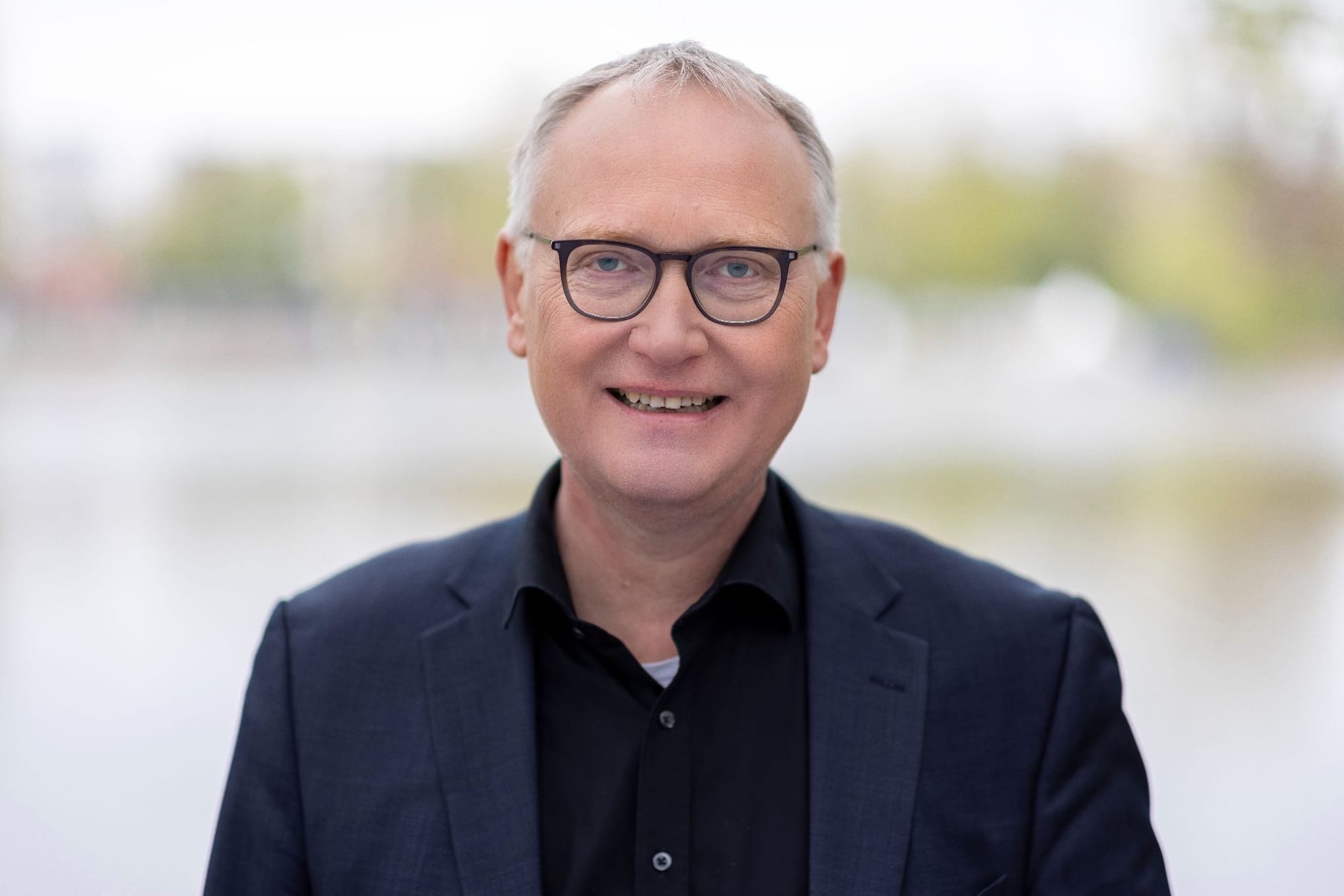
About Klaus Mindrup: Environmental data, and the debate over how they are used, have accompanied me throughout my professional and political life. From 1998 to 2014, I served as deputy chair of the Independent Institute for Environmental Issues (Unabhängiges Institut für Umweltfragen, UfU), a research institute and citizens' organization based in Berlin and Halle. UfU works where environmental science, democracy, education and public participation meet.
UfU's approach to environmental data differs from the classic research model of "measure, build a dataset, analyze statistically." It focuses instead on the chain that turns data into agency: environmental data → access → understanding and interpretation → participation → the capacity of society and policymakers to act. In this view, data are not only a scientific resource. They are also a legal right, a precondition for transparency, and a tool for democratic participation.
As a Member of the German Bundestag from 2013 to 2021, I brought these principles into legislation. I served as rapporteur for the Environmental Impact Assessment Act, the Fuel Emissions Trading Act and the Federal Climate Change Act. I am particularly proud that the Climate Change Act did more than set targets. It also established an independent Council of Experts on Climate Change, which reviews the government's emissions data and keeps them out of reach of political manipulation.
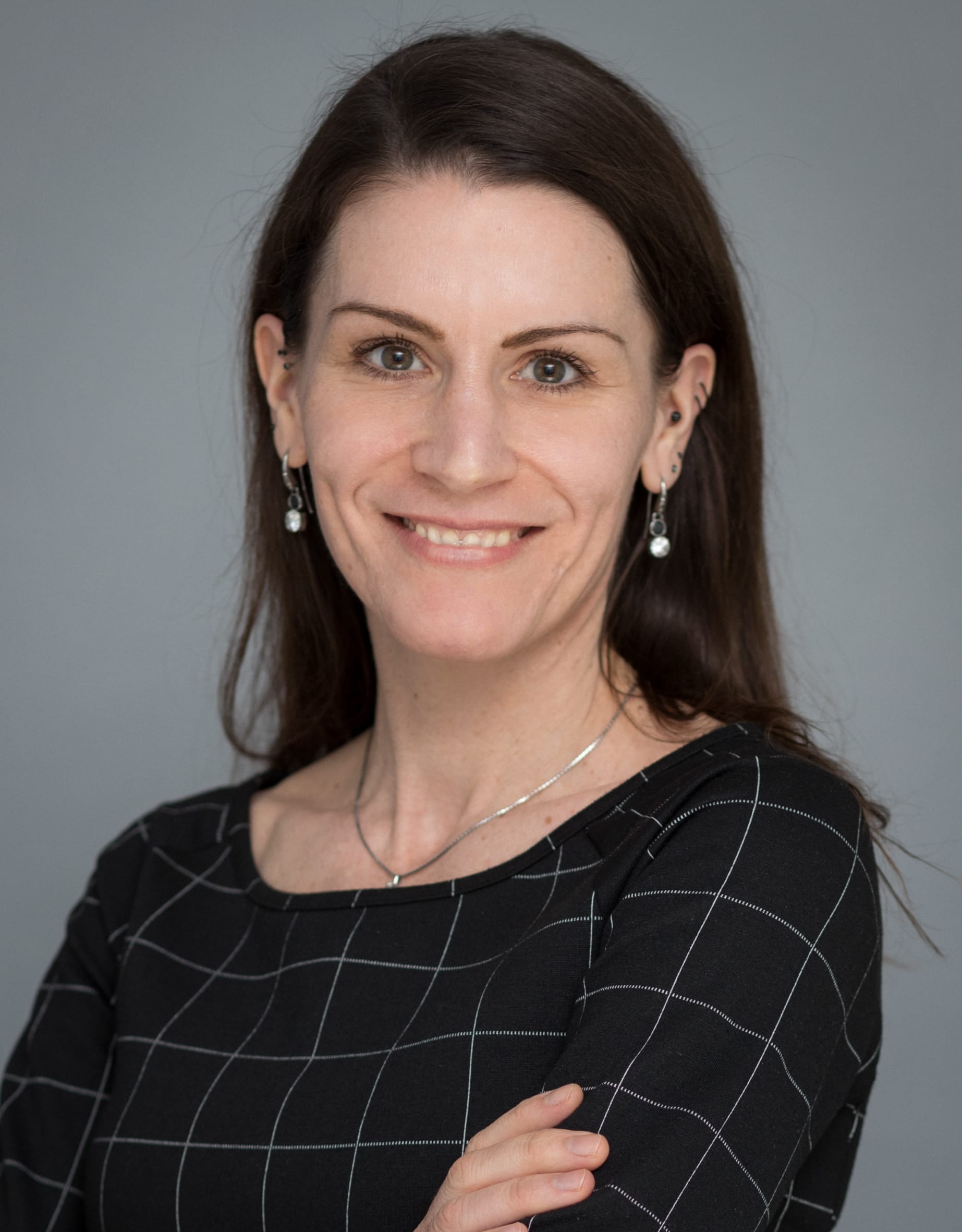
Dr. Birte Hemmelskamp-Pfeiffer is Head of Research Data Infrastructure at the Leibniz Centre for Tropical Marine Research (ZMT), Bremen, where research on tropical coastal ecosystems is conducted in close cooperation with local partners. An economist by training, she has extensive experience in institutional research data management, building and maintaining the infrastructures, services and training that enable researchers across the natural and social sciences to manage their data responsibly.
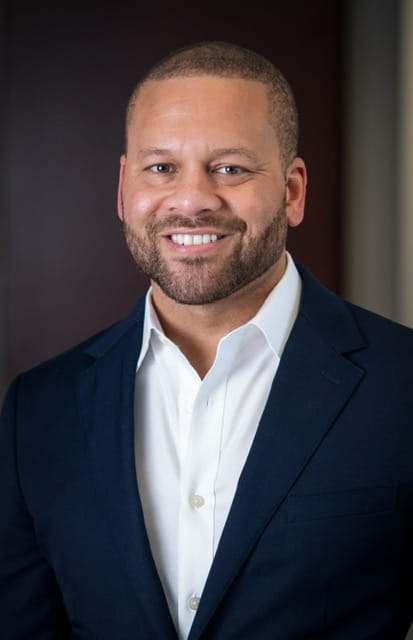
Dwane Jones, PhD, is the dean of the University of the District of Columbia’s College of Agriculture, Urban Sustainability and Environmental Sciences. He is a leader with more than 20 years of combined experience in leadership, green infrastructure programs, research, urban design, environmental planning and program management with government, academia, nonprofit and community-based agencies and international governments and universities.
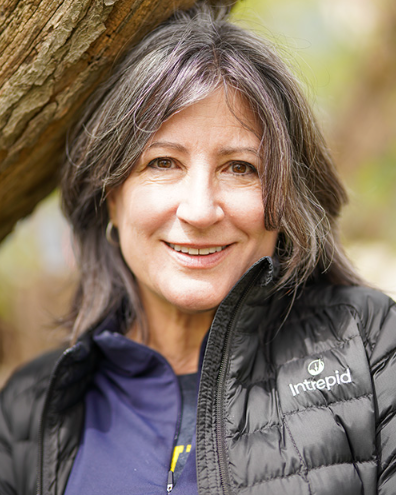
Dr. Elizabeth Gearin, Assistant Professor of Urban Sustainability at UDC, focuses on sustainable land use, community engagement, and biophilia. She has led research on urban foodways and park usage, and has experience in teaching, consulting, and public service. Gearin has held leadership roles in Arlington County’s forestry, planning, and parks commissions.